


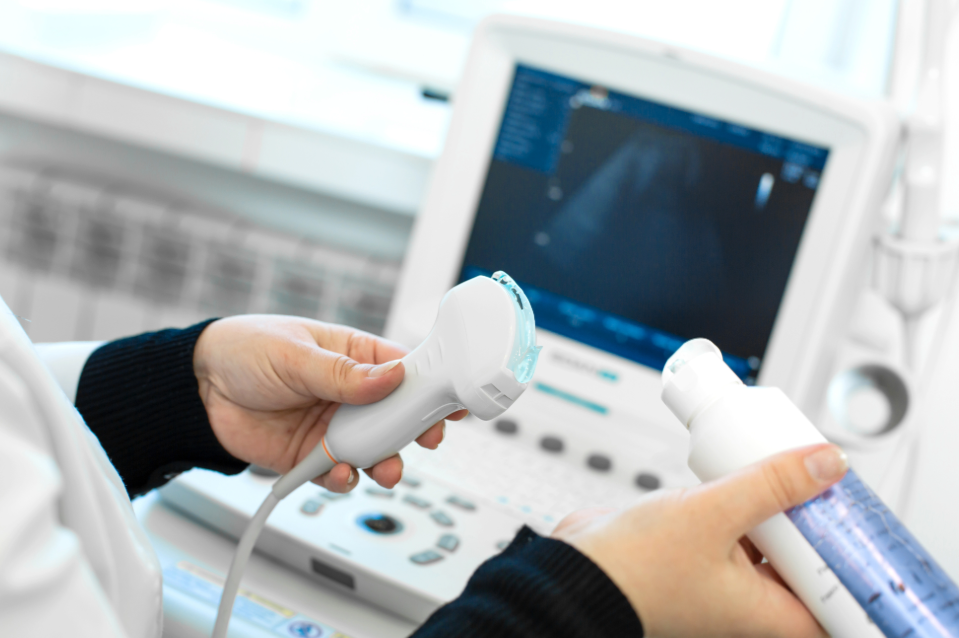
New data has suggested ultrasound imaging as a means of minimising vascular risks during dermal filler procedures.
Researchers used ultrasound to assess 100 cases of adverse filler outcomes across centres in Brazil, Colombia, Chile, the Netherlands and the US.
Nearly half of the scans showed absent blood flow in small vessels connecting superficial and deep facial arteries, while a third revealed compromised flow in major vessels. The research indicated that when dermal fillers are administered incorrectly and without the use of ultrasound imaging, filler material can obstruct key blood vessels, leading to serious complications such as tissue damage, facial deformity.
Ms Nora Nugent, consultant plastic surgeon and president of the British Association of Aesthetic Plastic Surgeons (BAAPS), commented, “Risks like these from dermal fillers are one of the many reasons why we have been campaigning for a long time for increased regulation of aesthetic procedures, and restricting the provision of medical procedures like injectable treatments to those who have medical training.”