Acne vulgaris is one of the most common skin conditions in the UK, with 95% of adolescents experiencing acne, and increasingly more adults presenting with the condition.1,2 Traditionally, approved and licensed treatments for acne have been limited to medication, either topical or oral.1 Despite many of these medications having a high success rate, they often have numerous side effects such as dry sensitive skin, dry mucous membranes and myalgia, as well as poor adherence.3,4
The US Food and Drug Administration (FDA) approval of laser for the treatment of acne changes the approach to acne management, but also widens the range of patients who are now suitable for treatment.5 It is one of the few treatment options that has been approved for all skin types and severities of acne.6
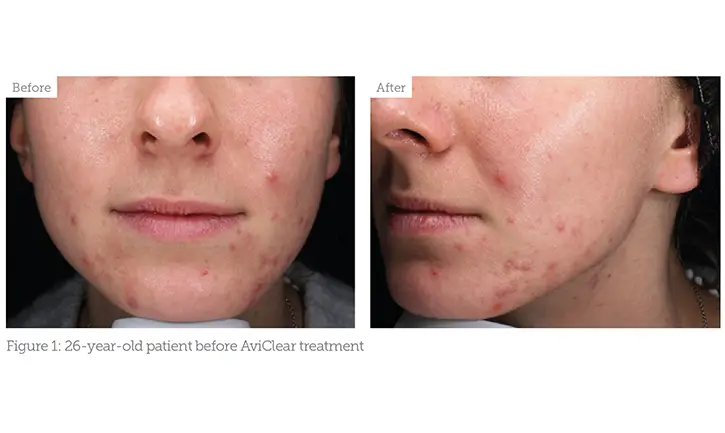
A 26-year-old female presented to the clinic with concerns of adult acne. On examination, the patient had Fitzpatrick type II skin with a combination of comedones, inflammatory papules, pustules and…