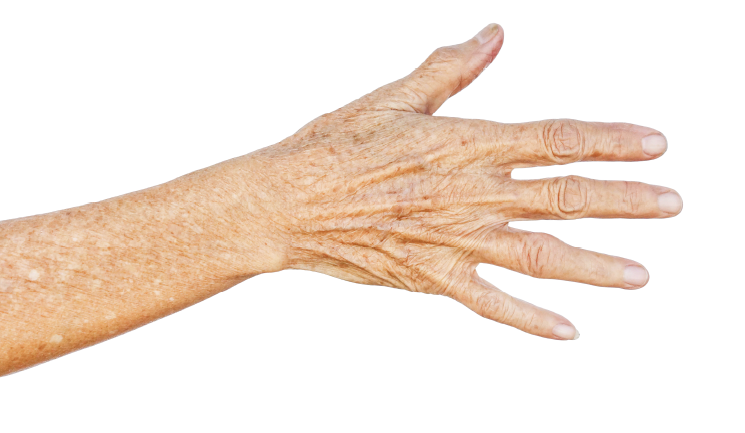
Aesthetic nurse prescriber Yuliya Culley discusses how she treated upper arm skin laxity with poly-L-lactic acid in a 65-year-old patient
Women, particularly those aged 55 or more, can experience skin laxity on their upper arms for a variety of reasons. Weight loss or large weight fluctuations, fat distribution and loss of muscle tone all have a role to play in increased skin laxity.1
Menopause can also have an effect because a dip in oestrogen can inhibit collagen production, resulting in looser skin.1 Extrinsic factors such as diet, recurrent sun exposure and lifestyle behaviours can further cause skin laxity.2 Laxity in the arms is a problem which is often overlooked by both patients and practitioners, yet various literature sources suggest that the number of the patients seeking non-surgical, short-downtime body rejuvenation treatment options is growing rapidly.3-5
This article explores a case study where a patient’s arm laxity was treated using poly-L-lactic acid (PLLA).
Case study
This patient was a 65-year-old woman with skin laxity on her inner, upper arms. She originally reached out to me believing that thread lifts would address the crepey, loose skin on her upper arms…