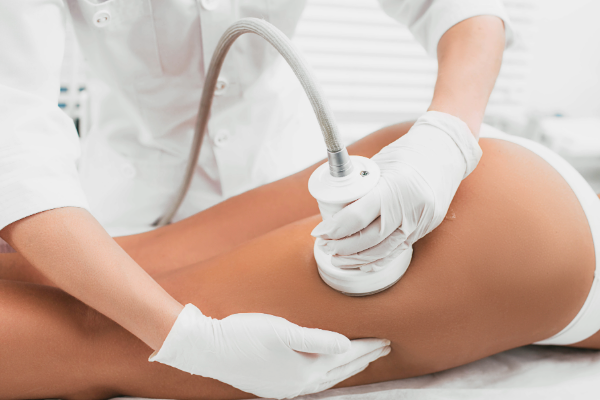
CPD: Managing Cellulite in Clinical Practice
Nurse practitioner Anna Baker examines the underlying mechanisms of cellulite


Nurse practitioner Anna Baker examines the underlying mechanisms of cellulite
Dr Mayoni Gooneratne examines systemic peptide use in longevity and wellness practice Peptide-based drugs have moved rapidly from niche therapeutics to a major growth area across endocrine, metabolic, oncologic and rare disease medicine.¹⁻⁴ At the same time, a parallel market …
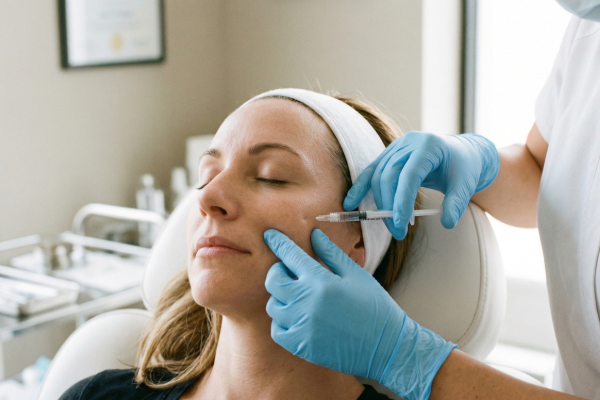
Miss Jenny Doyle and Dr Arshi Baig explore the prevention and management of dermal filler complications, with a focus on vascular occlusion and contemporary evidence-based practice Dermal filler treatments have become one of the most frequently performed non-surgical aesthetic procedures …
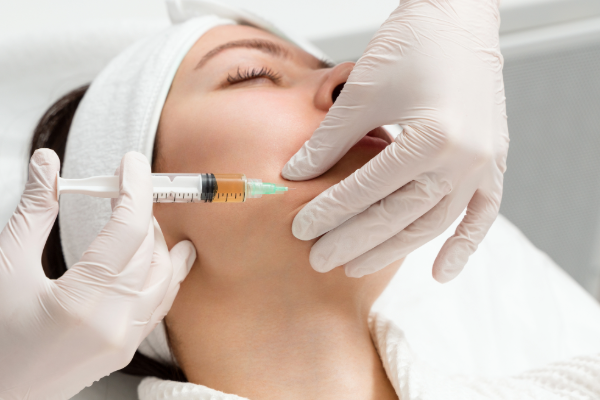
Dr Ben Taylor-Davies reviews the evolution, mechanisms and practical use of CaHA-based injectables in contemporary regenerative aesthetics Regenerative aesthetics has emerged as one of the defining trends within contemporary medical aesthetics. It reflects a broader shift away from simply replacing …
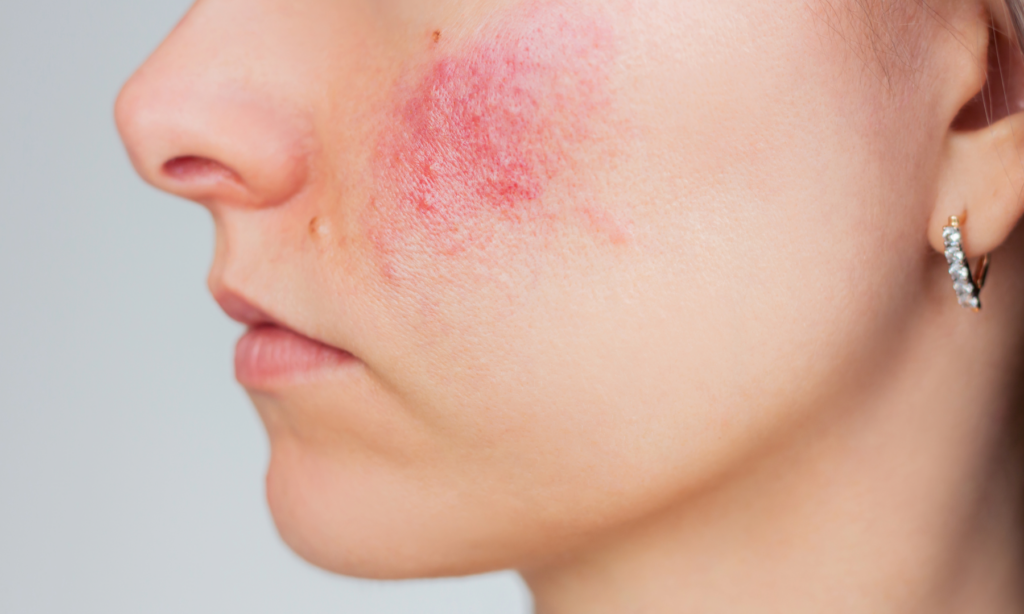
Dr Rehanna Beckhurst explores the dermatological and systemic causes of facial erythema Facial erythema is a common concern within aesthetic practice (with rosacea alone affecting an estimated 5.46% of the global adult population), an umbrella term for a spectrum of …

Miss Jenny Doyle, Dr Arshi Baig and Dr Aaminah Haq explore advanced strategies to stimulate collagen through treatments in medical aesthetics Collagen is the most abundant structural protein in the human body and a primary component of the dermal extracellular …
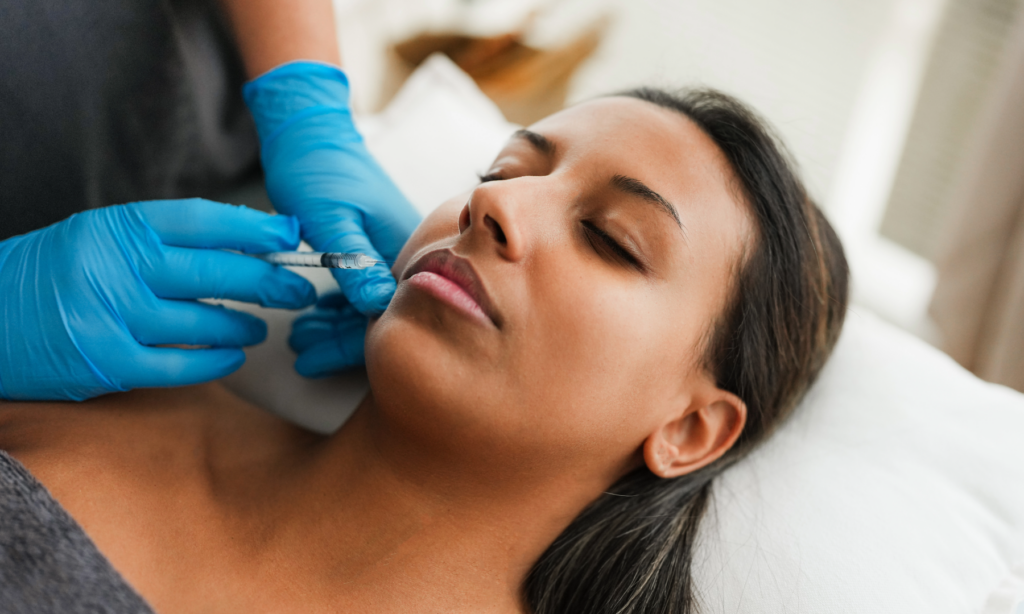
Dr Carol Mastropierro discusses botulinum toxin complications and strategies for managing common side effects Botulinum toxin (BoNT-A) injections are the most widely performed non-surgical aesthetic procedure in the UK, with an estimated 900,000 treatments carried out annually.¹ Their popularity is …

Skeletal muscle is a dynamic, metabolically active organ essential for maintaining health throughout the lifespan. Beyond providing strength and locomotion, muscle regulates glucose metabolism, supports immune signalling and contributes to endocrine communication through the secretion of myokines.1 A decline in …

Dr Ed Robinson discusses opportunities, limitations and the emerging role of ultrasound guidance in regional nerve blocks Demand for injectable and energy-based facial aesthetics continues to rise, alongside patient expectations for comfort, efficiency and safety. Effective analgesia is therefore central …
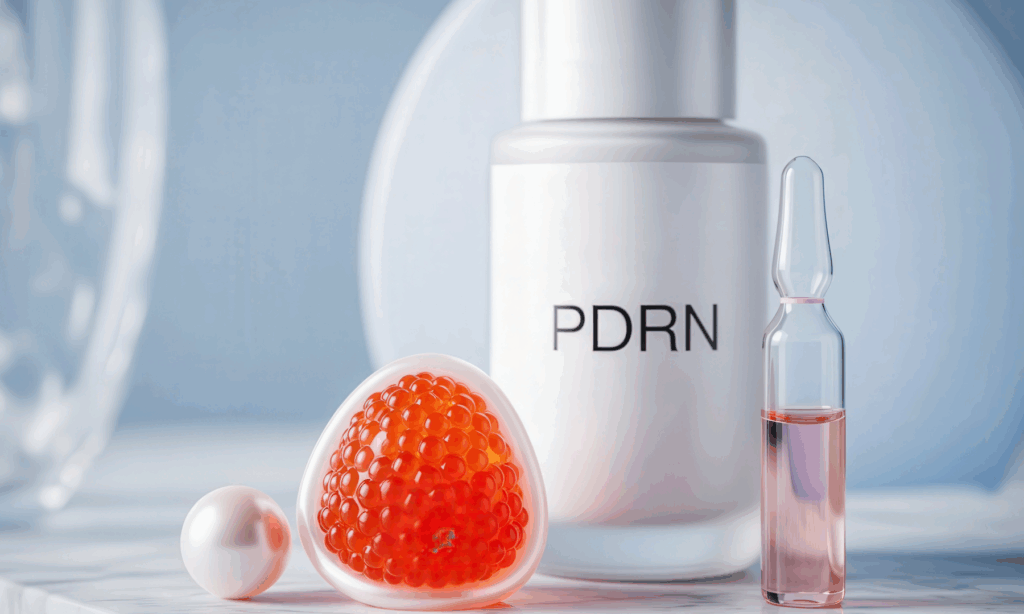
Miss Jenny Doyle, Dr Aaminah Haq and Dr Arshi Baig review the latest research in polynucleotide treatments in medical aesthetics Globally, non-invasive aesthetic procedures accounted for more than £52 billion of revenue in 2023 and are increasing, with an annual …