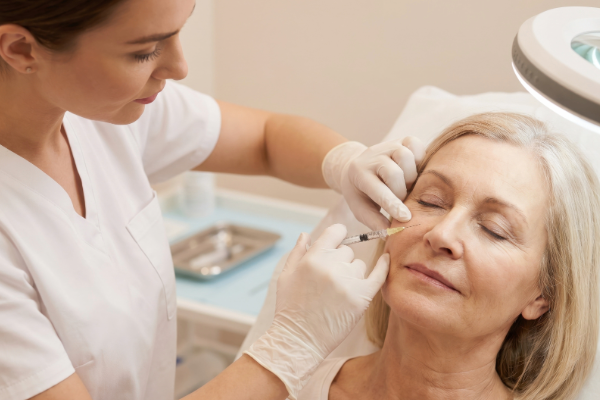
Dr Alison Colville explores the physicochemical and rheological properties of hyaluronic acid dermal fillers
Hyaluronic acid (HA) dermal fillers have become a cornerstone of modern medical aesthetics and remain one of the most widely performed non-surgical cosmetic procedures worldwide. Global use has increased substantially over recent years; International Society of Aesthetic Plastic Surgery data recorded approximately 4.05 million HA filler procedures worldwide in 2020, rising to 6.34 million in 2024, an increase of 56.4% over four years.¹ Although more recent figures show some fluctuation in annual procedural numbers, HA filler remained the second most commonly performed non-surgical aesthetic procedure worldwide in 2025.²
This popularity is also reflected in the UK; dermal filler was the most commonly reported procedure among respondents to the Department of Health and Social Care’s consultation on the licensing of non-surgical cosmetic procedures, while the 2024 British Association of…