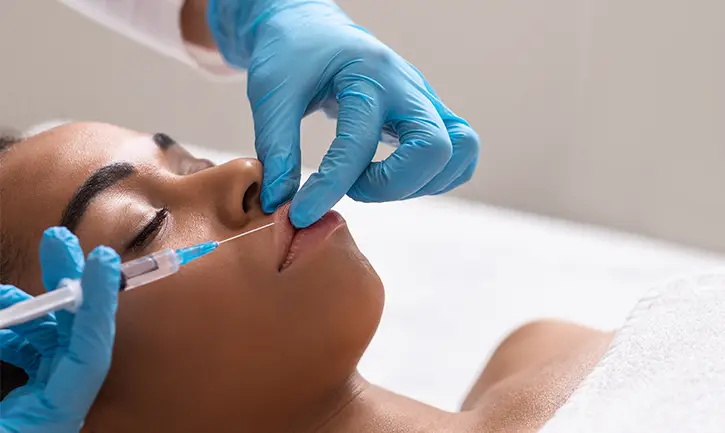
Elective filler dissolving has risen steeply in recent years, with an increasing number of public figures openly discussing reversing their previous procedures.1 This would directly correlate with the trends we are seeing in clinic with more natural looks being frequently requested. But what significance can the dissolving process have on our patients?
Hyaluronidase, which is an enzyme that breaks down hyaluronic acid, has been administered in medical applications for more than 60 years, originally being used to increase the absorption of drugs into tissue and reduce tissue damage in cases of extravasation of a drug.2
Since its first use in aesthetics in 2007, its utilisation has been on the rise, and not just for emergency reversals.3 This article will explore the impact of both overfilling and dissolving on patients’ wellbeing, alongside clinical guidance on effective dissolving and…