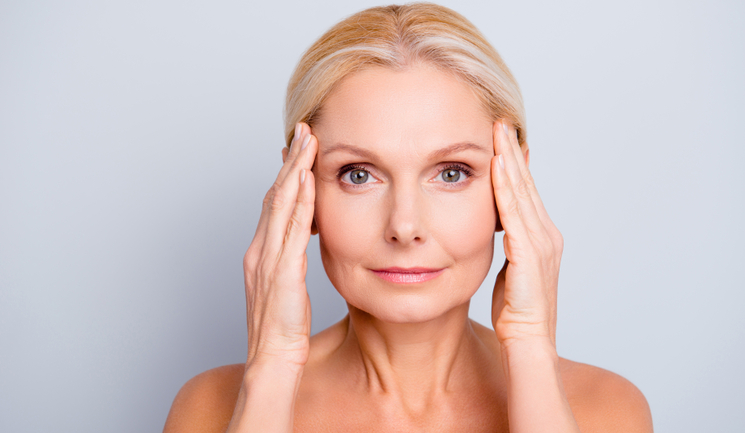
Dr Hazel Parkinson discusses the effects of menopause on acne and procedural options for menopausal patients
Acne is often perceived as a concern primarily of adolescence, but it is increasingly recognised as a condition that affects adult women, particularly during the menopausal transition.1 This stage of life is associated with profound hormonal changes that impact skin physiology, often leading to persistent or newly emerging acne in women who may not have experienced it since youth, or at all.2
This article explores the multifactorial influences of menopause on acne, and discusses tailored treatment approaches suited to this unique clinical population.
Why menopause can cause or exacerbate acne
Acne pathophysiology centres on four main processes: excessive sebum production, abnormal follicular hyperkeratinisation, colonisation by C. acnes and chronic inflammation.3,4 The onset and exacerbation of acne in menopause stem from complex hormonal and physiological changes.
Hormonal imbalances
Menopause brings about a significant drop in oestrogen levels, creating a hormonal imbalance where androgen levels remain comparatively high, or at least fall at a much more gradual rate. This state…