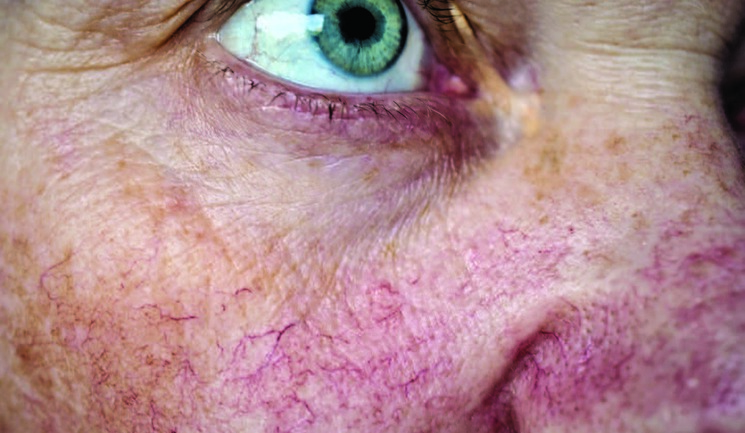
With various options available on the market, selecting a laser for vascular lesions can be a challenge, especially to less experienced practitioners. This article discusses the core principles that determine choice of laser and considerations for successful results for facial vascular concerns.
A sound understanding of laser-tissue interactions is required as this underpins clinical laser dermatology. The target chromophore in the treatment of vascular lesions is haemoglobin.1 Water can also be a secondary target. Haemoglobin comes in various oxygenation states: oxyhaemoglobin (Hb02), methaemoglobin and deoxyhaemoglobin.2 The varying oxygenation states have subtle differences in absorption spectra as shown in Figure 1. This is an important consideration when refining choice of laser.
There are numerous peaks in the Hb/HbO2 absorption spectra as shown in Figure 1. Because melanin absorption is relatively high, in the 400-500 nm range, lasers in this wavelength are not specific…