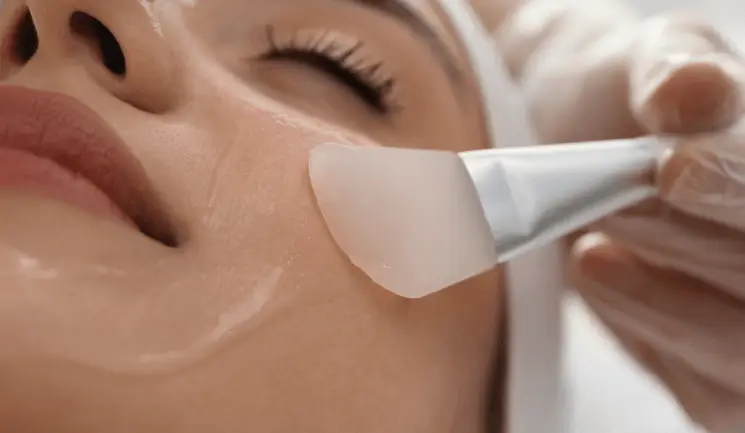
Chemical peels have been around for thousands of years. The earliest known use was in Egypt by the beautiful Egyptian queen, Cleopatra. She allegedly had fair skin, and history notes that she used to bathe herself in sour milk and use wine extract to treat her skin. We now know that the lactic acid in the milk and the tartaric acid in the wine, both alpha hydroxy acids, would have helped her to achieve great skin.1,2
In 1882, German dermatologist Dr Paul Gerson Unna started using various ingredients such as salicylic acid, trichloroacetic acid (TCA), resorcinol and phenol to perform chemical peels for improving fine lines and wrinkles.3
In the 1920s, the phenol-croton oil peel became popular in the US and was performed on Hollywood stars, which later became favoured by the public in the 1960s.3
In 1961, medical doctors Dr Thomas Baker and Dr Howard Gordon created a new formula for the phenol peel which became the standard at the time and is still occasionally used today by some clinicians…