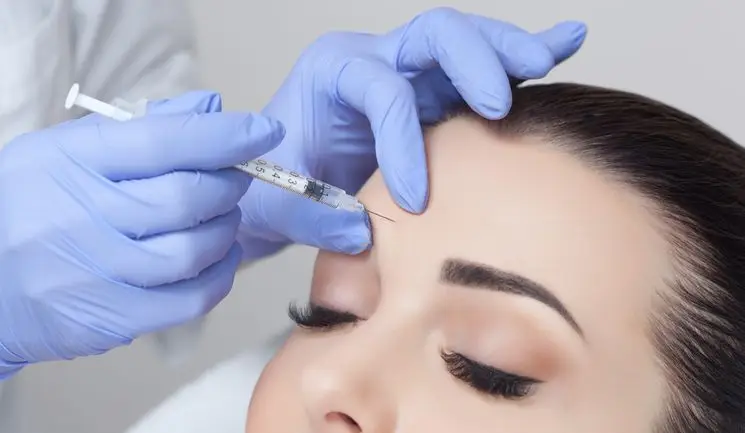
The glabella: one of the main facial features to display signs of ageing. When rhytids form in this area, they will generally range from fine lines to deep furrows. For many, their presentation does not simply present an aged appearance, but can make individuals look angry, sad, anxious, fatigued or fearful.1 Anecdotally, practitioners explain that this can cause undue distress in patients who feel that their emotional connection with friends, family and colleagues is being negatively affected by their appearance.
Thankfully, we all know treatment options are available. Botulinum toxin A has become a mainstay; inducing temporary paralysis when injected into the striated muscles and, thus, reducing the appearance of rhytids in the glabella.1 The well-established treatment is usually successful and low risk, so why use anything else you may ask?
Well, as aesthetic practitioners Dr Beatriz Molina and Dr Raul Cetto explain, administering hyaluronic acid (HA) dermal filler in the glabella can offer enhanced results for those with significant…