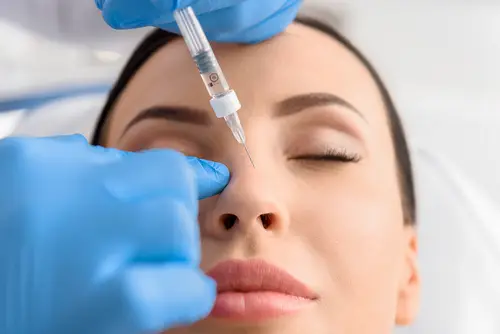
Research shows that hyaluronic acid (HA) facial fillers are taking up a 27% share of England’s patient demand for non-surgical aesthetic treatments, second only to botulinum toxin injections. 1,2 However, modern trends in aesthetics are changing; recently there has been increasing interest in bioregenerative treatments such as polynucleotides (PN), which stimulate the natural mechanisms of tissue reconstruction and repair.3,4
This article aims to compare HA fillers and PN gels to evaluate their mechanism of action, safety and the potential benefits of combining these treatment modalities to achieve comprehensive rejuvenation that can address multiple aspects of ageing.
In medical aesthetics, HA fillers are favoured for their non-immunological and biocompatibility status, overall safety and tolerability, immediate and natural results, as well as their minimal recovery time. They are…