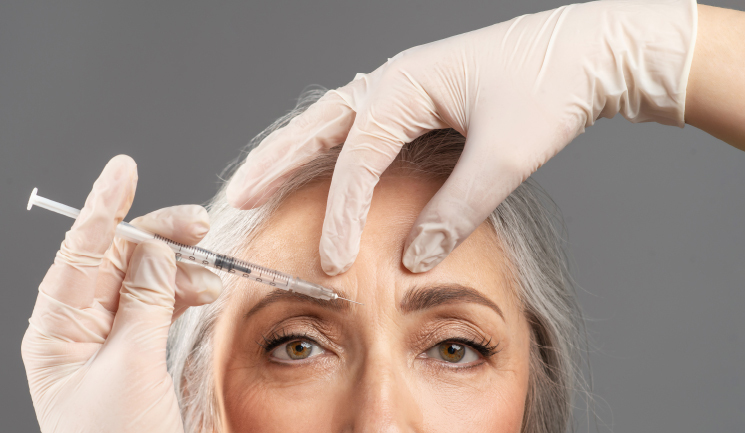
Dr Nestor Demosthenous discusses the pharmacodynamics of botulinum toxin and the differences between the available preparations.
In the 1980s, ophthalmologist Dr Jean Carruthers and dermatologist Dr Alastair Carruthers discovered that one of their patients treated with botulinum neurotoxin (BoNT) for blepharospasm had a marked reduction in their glabellar lines.1 At the time, it was only being used to treat hemifacial spasm, strabismus and benign essential blepharospasm.
They began treating the glabellar complex of staff and patients. In 1992, they published their seminal paper on the efficacy of onabotulinumtoxinA (Botox) for improving the appearance of glabellar frown lines.2 It can be argued that the use of BoNT in this way gave birth to medical aesthetics, with the product being extensively researched over the years. A PubMed search, at the time of writing, identifies 3,433 peer-reviewed articles with toxin still being the number one performed non-surgical aesthetic treatment globally.3
This article will explain the pharmacodynamics of BoNT, and the differences (and similarities) between some of the commercially available preparations. As there has been increasing discussion in…