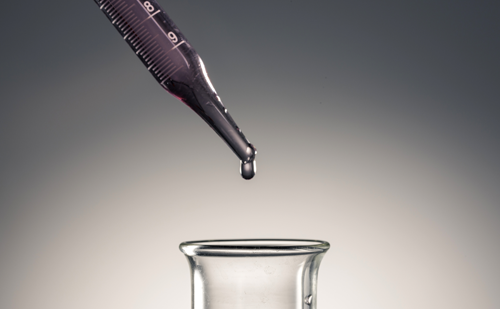
Dr Alison Colville and Professor Valerie Edwards-Jones explore the role of antiseptic practices in medical aesthetics
The skin and mucous membranes form the body’s protective barrier, and if this defence is breached by pathogens, they can reach subcutaneous tissue, muscle, bone and body cavities.1 With both aesthetic procedures and antibiotic resistance on the rise, good skin disinfection to reduce the risk of infection is more vital than ever.2-4
Along with ongoing issues with antibiotic resistance, there is a growing need to reduce the risk of microbial-associated complications, so attention to appropriate skin disinfection during all stages of aesthetic procedures is key.5
A recent study showed that Pseudomonas, Staphylococcus and Propionibacterium were all cultured following administration of hyaluronic acid (HA), polyacrylamide gel, poly-L-lactic acid (PLLA) and calcium hydroxyapatite microspheres into the subdermis.5
Various studies referenced throughout this article have also discovered that once a biofilm is established, treatment with high dose antibiotics is often unable to eradicate the infection.6,7 The…