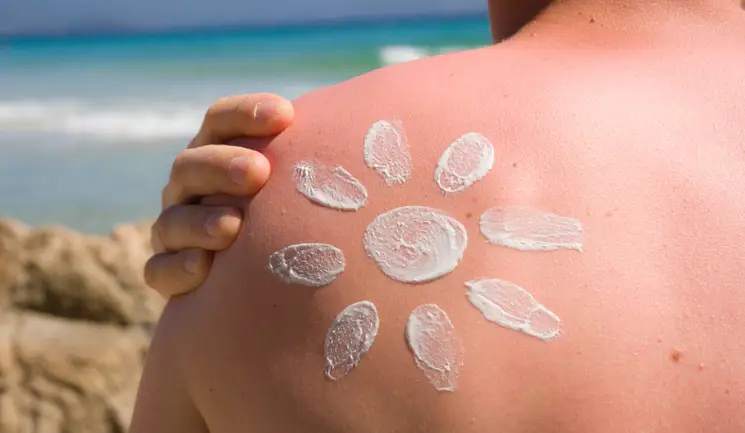
Cutaneous ageing is the result of two microscopically and macroscopically distinct biological processes that occur concurrently: intrinsic ageing and extrinsic ageing caused by external factors. The external or environmental factors that have been found to cause extrinsic ageing include sunlight exposure, cigarette smoking, air pollution and sleep deprivation.1
The majority of literature focuses on UV light exposure and cigarette smoking as a reliable extrinsic cause of accelerated cutaneous ageing, with much dedication to the pharmacological prevention and treatment of such changes.1,3-7
There have also been landmark characterisations of the histological findings that one may associate with these particular environmental stimuli, however there is a limited body of research concerned specifically with the clinical evaluation of extrinsic cutaneous ageing.
Therefore, this article proposes to review original literature seeking to assess the causative relationship between environmental factors and their quantitatively or qualitatively measured clinical…