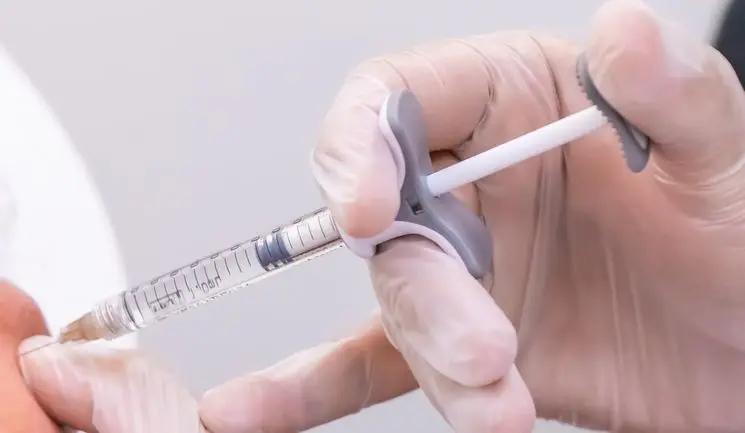
Injectable soft tissue fillers or dermal fillers have become an integral part of aesthetic medicine with around 60 products available in the UK.1 When, as practitioners, we choose a dermal filler, what guides our choice? We are likely to be making a judgement about the suitability of that filler for the procedure we have in mind. Yet, what are the fundamental properties of fillers that inform this judgement? Hyaluronic acid (HA) fillers are the most common filler type, being used in almost 80% of filler procedures in the US.2 However, they vary greatly from one another in terms of their physical properties due to the different technological processes used in their development.3
This article aims to explore some of the key properties of HA dermal fillers and asks how we take them into account to optimise our choice of filler for any given procedure or area of the face. The focus will be…