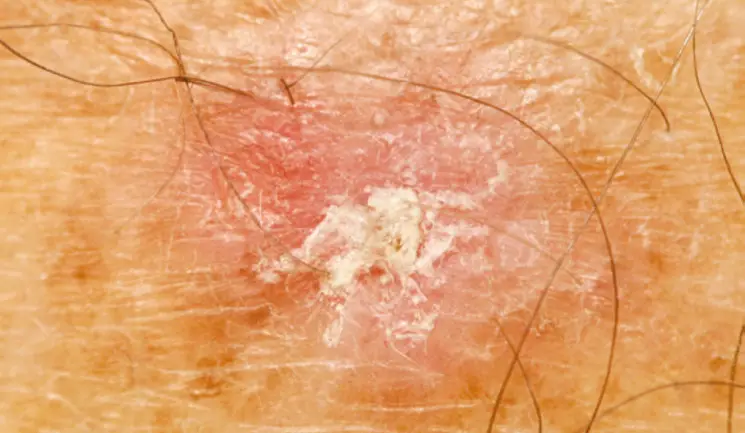
As skin cancer rates continue to climb and are expected to do so for the foreseeable future,1 it is important that aesthetic practitioners are able to recognise them promptly and advise the patient to seek specialist care. Aesthetic practitioners are uniquely placed to help their patients as they work with a patient regularly over a period of time and, as such, are able to monitor their skin and may be the first to note any suspicious changes.
Additionally, practitioners are in a position of influence as patients often request advice on skincare, allowing the opportunity for practitioners to stress the importance of sun protection.
Squamous cell carcinoma (SCC) is a form of non-melanoma skin cancer (NMSC) and the second most common form of skin cancer.2 It typically presents confined to a single area that can be managed with localised treatment options, but it is associated with tumour…