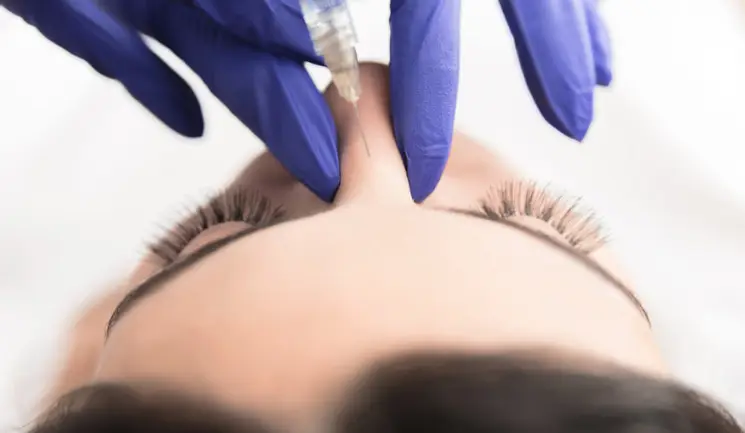
Soft tissue augmentation using dermal filler has grown in
popularity with hyaluronic acid (HA) based products comprising
the most commonly used soft tissue filler.1
HA fillers are generally
considered to be safe treatments with relatively rare and transient
side effects,2
however rare complications can occur, such as vascular
occlusion (VO) potentially leading to skin necrosis.3
If a VO is diagnosed and treated rapidly using an appropriate
protocol, for example the Pulse Protocol4 (discussed later) skin
necrosis can be prevented or reversed, and complete wound healing
can be achieved.5
This may prevent long-term skin damage and
longstanding deformity. If immediate reversal of vascular compromise
is delayed and skin necrosis presents, there is evidence hyperbaric
oxygen therapy (HBOT) can aid clinical improvement.6,7In this case study we will present a patient who suffered a…