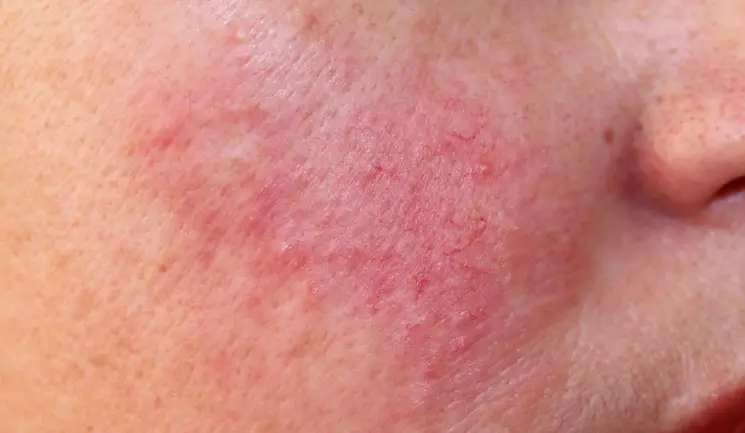
Rosacea is a common inflammatory skin condition with a high prevalence among the Western population.1 Whilst the signs and symptoms predominantly affect the centrofacial part of the skin, there has been increasing interest and emerging evidence linking it with other organ systems and co-morbidities. The question posed is whether rosacea is a cutaneous-limited disease or one with systemic involvement, or perhaps a manifestation of a wider systemic inflammation.
During the present time, the exact pathophysiology of rosacea remains unclear. It involves an aberrant neurovascular signalling and a dysregulation of the immune system, in particular the innate system.2 High levels of cathelicidins – anti-microbial peptides expressed by leukocytes and epithelial cells – have often been found in rosacea patients; in addition to kallikrein-5, matrix metalloproteinases 2 and 9, and increased mast…