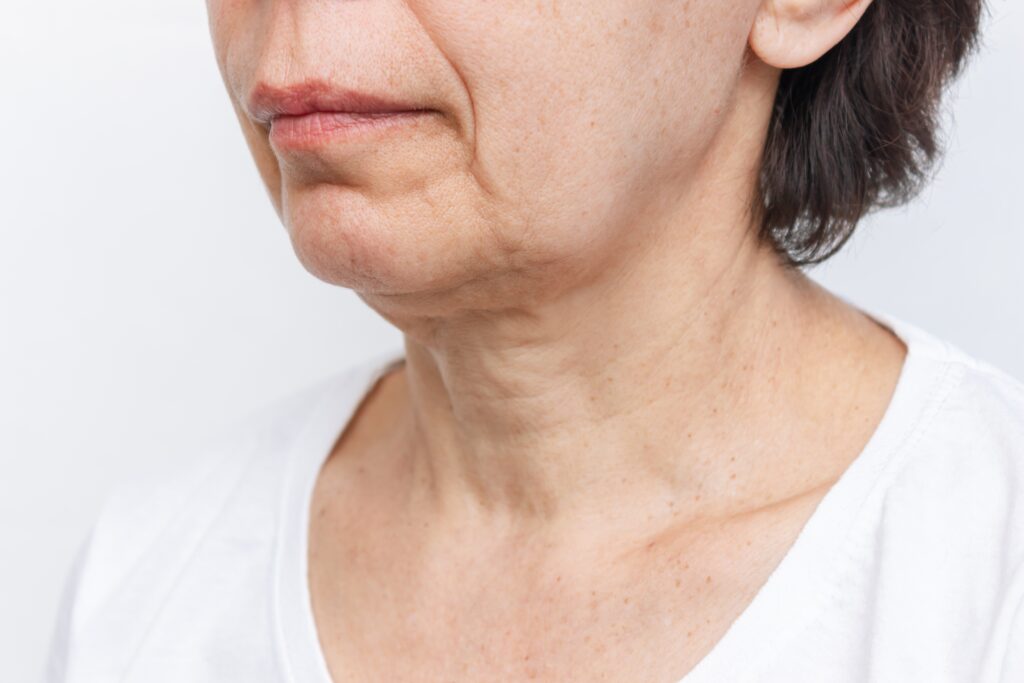
Three practitioners share their approaches to restoring volume, supporting collagen production
and rebuilding confidence.
Over the past two years, aesthetic practitioners have reported a noticeable increase in patients seeking facial rejuvenation following significant weight loss – particularly with concerns around mid-face volume loss, lower face laxity and howling.
A key driver behind this trend is the growing use of GLP-1 receptor agonists, such as semaglutide and tirzepatide, which have transformed weight management and, in turn, reshaped aesthetic demand.1,2 This phenomenon, often dubbed ‘Ozempic face’ in mainstream media, is becoming an increasingly common concern in aesthetic clinics.1
Initially developed for the treatment of type 2 diabetes, GLP-1 agonists mimic the effects of the glucagon-like peptide-1 hormone. They delay gastric emptying, suppress appetite and promote insulin secretion, leading to significant weight reduction in a relatively short timeframe. Clinical research has shown that GLP-1…