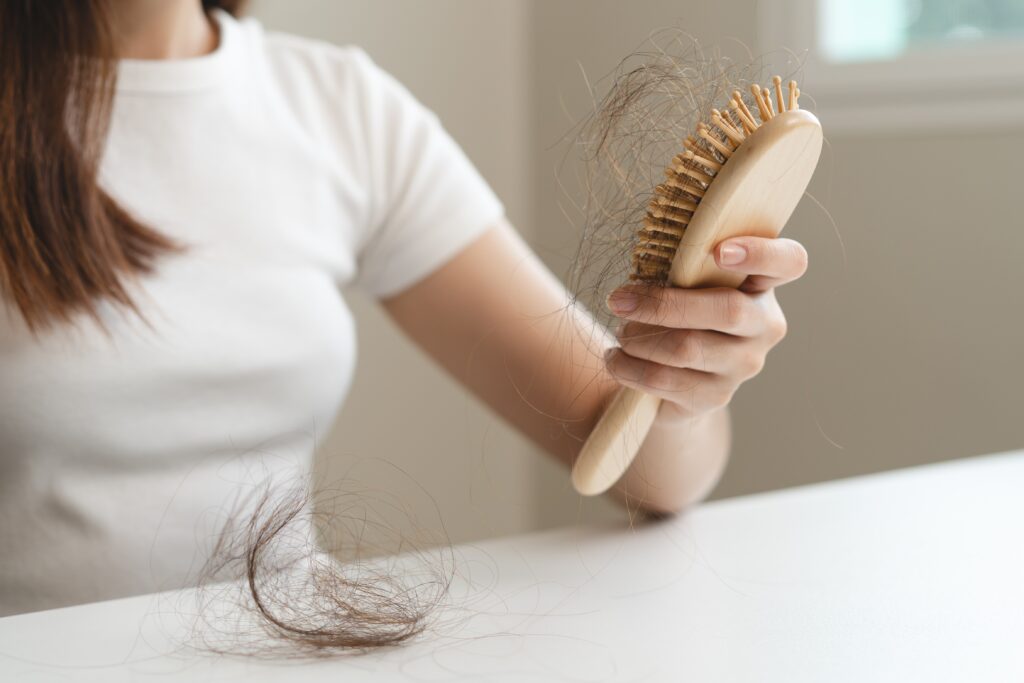
Practitioners detail their approaches to enhancing thin and damaged hair with exosomes
Hair is often regarded as a crucial aspect of self-identity. It can be altered and styled to each person’s individual preferences fairly quickly and easily, with a full head of hair being perceived as a sign of youthfulness, vigour and status.1
When a person loses hair, it can lead to significant psychological stress. Mild to severe symptoms associated with hair loss include anxiety, anger, depression, embarrassment, decreased confidence, reduction in work, declined interest in intimacy, social withdrawal and suicidal tendencies.1 Being able to offer a hair loss solution to people affected can be hugely rewarding for practitioners.
A recently emerging non-surgical option is the use of exosomes.2,3 Here, we talk to three practitioners about understanding hair loss, how exosomes can help, what brands they use and the potential results they can achieve.
Understanding hair loss
People can lose their hair for a variety of reasons. One of the most common types is androgenetic alopecia. Often referred to as male or female pattern baldness, this hereditary condition shrinks…