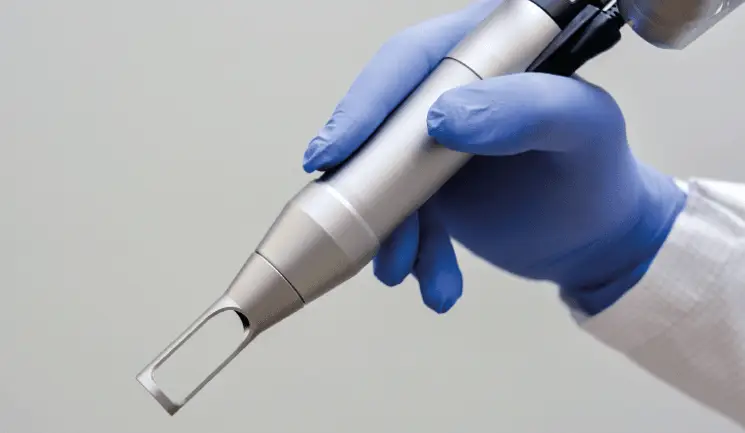
In aesthetic medicine, lasers and light are commonly used to treat pigmentation, vascularity and textural issues in the skin. Treatments such as intense pulsed light (IPL) and broadband light (BBL) use a broad spectrum of wavelengths to absorb melanin and hemoglobin within the skin. Treatment of photodamaged skin with IPL or BBL has been proven to be an effective non-invasive method for skin rejuvenation, resulting in the clearance of redness and pigmentary blemishes.1
Conversely, lasers use individual wavelengths targeting specific chromophores and depths. Different laser devices have also been commonly used for skin resurfacing, and this article will discuss the important concepts for these applications.
In order to understand the specific treatment area, a basic understanding of the skin anatomy is important when looking at the role of different ablative and non-ablative resurfacing devices. The…