
Treating Dyschromia
Dr Bhavjit Kaur and Sue Thomson discuss the rising patient demand for dyschromia treatments. The global pigmentation market is projected to soar to US $10.22 billion (£8,229 billion) by 2026,


Dr Bhavjit Kaur and Sue Thomson discuss the rising patient demand for dyschromia treatments. The global pigmentation market is projected to soar to US $10.22 billion (£8,229 billion) by 2026,
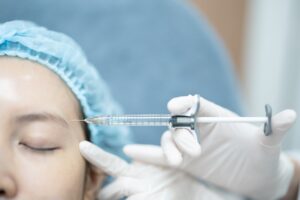
Dr Bethany Rossington explores the ageing temple and different approaches to restore it Temple hollowing is a hallmark of facial ageing that is often overlooked, but plays a critical role

Dr Ioannis Liakas explores how vaginal rejuvenation can enhance intimate health for post-cancer patients Cancer treatments, particularly chemotherapy and radiotherapy, can have profound effects on a woman's body, often leading
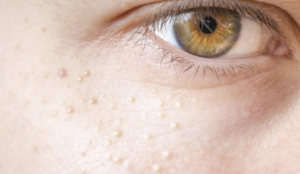
Three practitioners explore the various treatment options for periocular xanthelasma Periocular xanthelasma, often referred to as xanthelasma palpebrarum, is a benign condition characterised by the formation of yellow, fatty deposits

Dr Maryam McMillan explores a combined approach to facial rejuvenation for enhanced collagen production and recovery Facial rejuvenation treatments continue to evolve, offering patients a wide range of non-surgical options

Dr Mario Luca Russo and Dr Marcello Poltronieri review microneedling with exosome solutions for skin regeneration Antiageing, inhibiting hyperpigmentation and preventing hair loss are among patient demands in medical aesthetics.

Dr Eugenia Bonelli provides an overview of some key ingredients in supplements for the skin. Regenerative medicine in aesthetics is a revolutionary tool that allows us to stimulate the body’s

Nurse prescriber Anna Baker discusses different regenerative ingredients that can be used in skincare The process of ageing involves an interplay of systemic and extrinsic factors, which leads to a