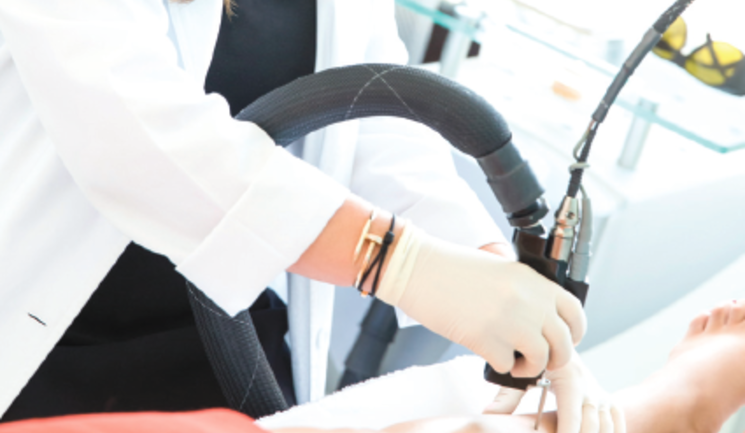
The potential issues associated with laser-generated plumes have been known since the 1960s when lasers were first applied to treat human tissue.1 ‘Plumes’ and ‘aerosols’ are collective names typically used to describe the air contaminants following laser and intense pulsed light (IPL) treatment of tissues. They include both combustion and non-combustion-generated products including tissue(s), gases, particulate materials, steam and carbonised material (smoke).2,3,4,5
Plumes are generated as a result of imparting high energy light onto tissues – regardless of which type of laser or IPL system is used. Even ‘non-ablative’ systems can induce plumes, and evidence indicates that standard clinical parameters are sufficient to generate potentially hazardous plumes. The evidence is quite clear – there is always some level of risk when using high energy lasers on tissues.1,2,3
The concern around plumes arising from laser/IPL treatments has been highlighted and presented as an issue in the US for five decades since it was first raised in 1967,1 yet it is rarely discussed…