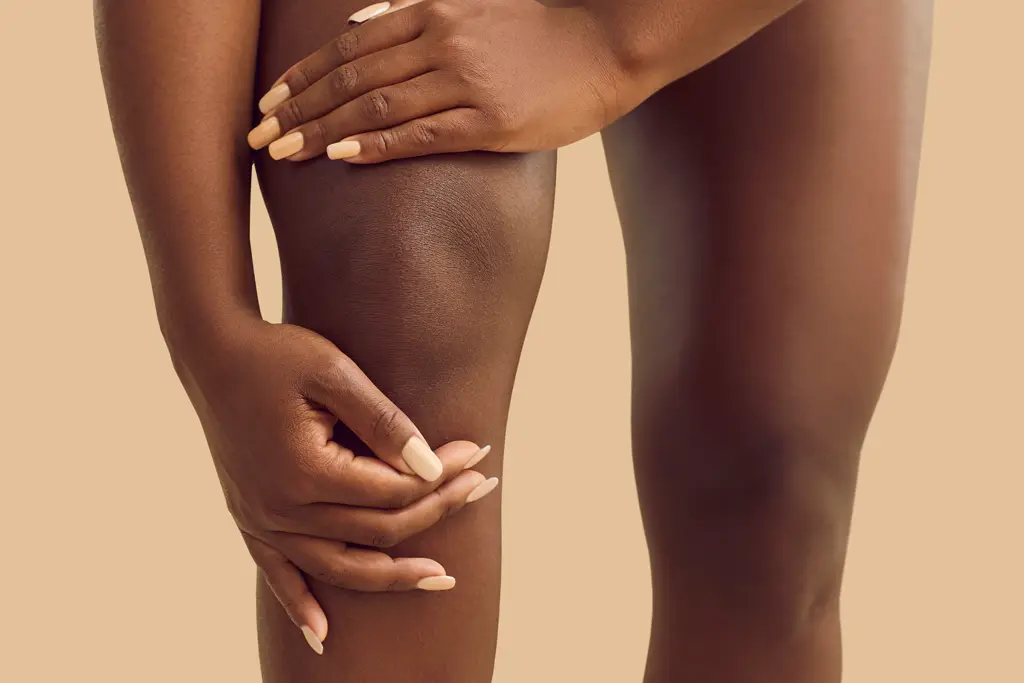
Skin laxity of the knees increases with age and leads to the appearance of skin folds, which has become a common concern for patients searching for body rejuvenation options.1 Of course, some skin laxity above the knees is vital for them to bend and move, but a combination of ageing, sudden or dramatic weight loss and sun damage can create more excessive laxity that leads to sagging and/or wrinkles.
This process occurs from the age of 40, with a reduction of body skin density and firmness due to collagen and elastin depletion, resulting in visual tissue texture worsening.2 Many non-surgical options can be used to address this indication, for example, energy-based devices like transcutaneous radiofrequency (RF), microfocused ultrasound and CO2 laser.3
Injectables can also be used, such as hyaluronic acid (HA), poly-L-lactic acid (PLLA) and calcium hydroxylapatite (CaHA), which are favoured due to their biocompatibility, safety profile and…