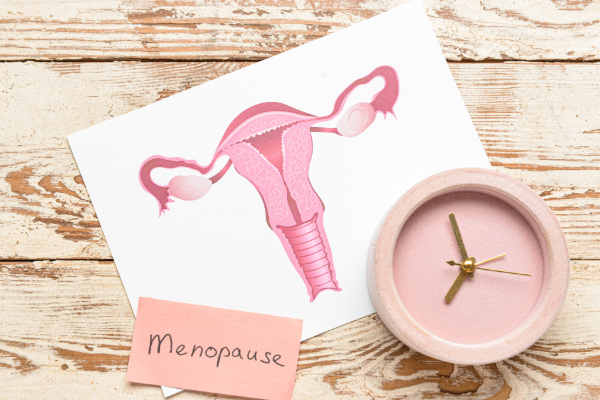
Independent nurse prescriber Leah Cooke explores how regenerative combination therapies can improve pigmentary concerns for menopausal patients
Hyperpigmentation is a common dermatological concern characterised by increased melanin production or abnormal melanin deposition within the epidermis and/or dermis, resulting in localised or diffuse skin darkening.¹ It encompasses a range of conditions including post-inflammatory hyperpigmentation (PIH), melasma and solar lentigines, all of which can significantly impact perceived skin quality and contribute to visible facial ageing.²
The post-menopausal patient presents unique treatment considerations because pigmentary concerns frequently coexist with age-related structural changes, including reduced collagen production, dermal thinning, loss of elasticity and declining skin quality associated with oestrogen depletion.³⁻⁴
The pathogenesis of hyperpigmentation is multifactorial and often involves a complex interplay between ultraviolet (UV) radiation, inflammation, hormonal influences, intrinsic ageing and…