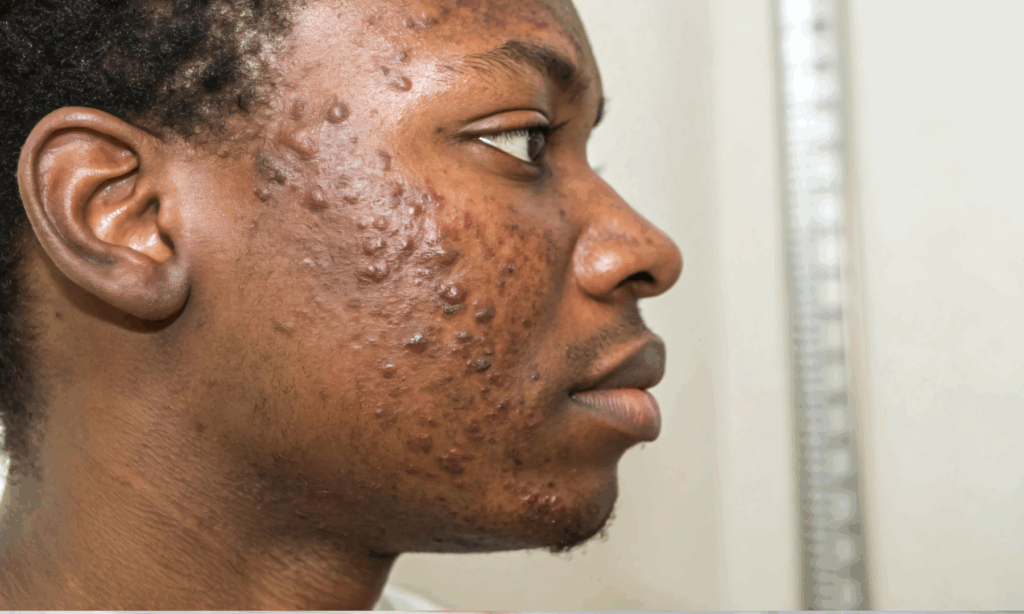
Dr Sidra Khan explores the clinical and therapeutic updates of acne vulgaris in patients with diverse skin tones
Acne vulgaris is a common chronic inflammatory disorder of the pilosebaceous unit, affecting individuals across all racial and ethnic groups.1 However, there are important considerations to take into account with regards to presentation and sequelae for patients with richly pigmented skin.
In skin of colour (SOC; Fitzpatrick IV-VI), acne is frequently characterised by heightened inflammation and a disproportionate burden of dyspigmentation, with pigmentary change often persisting long after active lesions have resolved.2 A study by Halder et al demonstrated histological inflammation within lesions clinically perceived to be “non-inflammatory,” suggesting that acne severity in SOC may be greater than clinical appearance alone would suggest, which may contribute to under-recognition and suboptimal management, including sequelae such as post-inflammatory hyperpigmentation (PIH).³ Keloid and…