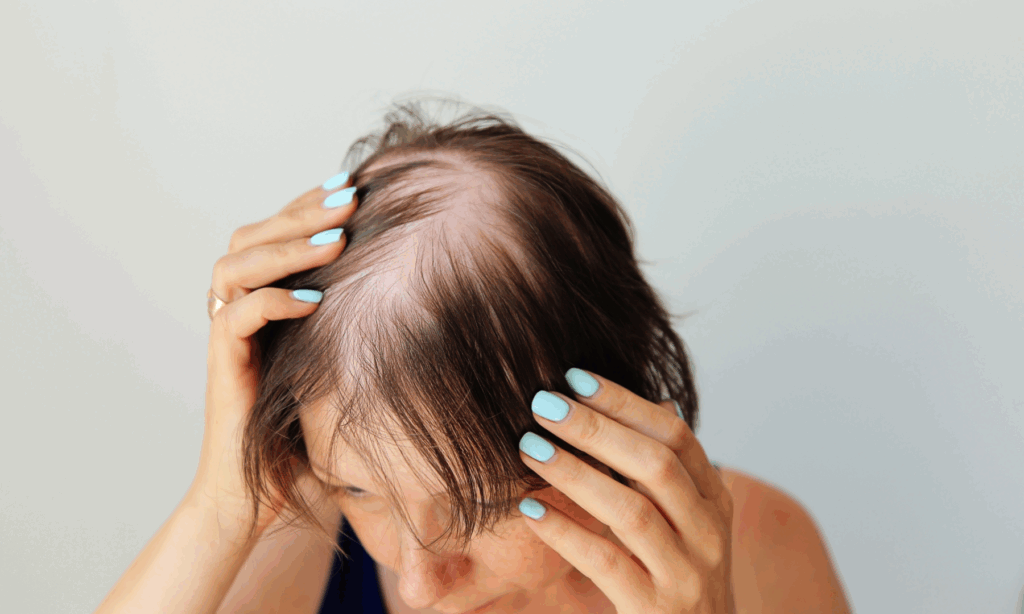
Dr Bhavik Shah and Dr Munir Somji explore the use of exosome therapy for the management of hair loss
Androgenic Alopecia (AGA) is an ailment that globally affects up to 70% of men and 50% of women by the age of 50, with an increasing number of patients seeking treatment options during the reversible stages of follicular miniatutrisation.1
Its effects can be characterised by progressive hair loss and thinning in the fronto-vertex, parting and crown areas of the scalp although some patients can experience generalised diffuse thinning.2 These symptoms can have a negative impact on one’s quality of life (QoL) and self-confidence thus the demand for treatment continues to increase year after year with the hair loss treatment market expected to grow by a rate of 5.5% from 2025-2033.3 Qualitative research into QoL association with AGA has shown that negative effects are apparent across all agre groups and more prevalent in those between 21-30 years of age irrespective of socio-demographic background.4 A practitioner’s duty then becomes discerning the most efficacious and appropriate treatments to aid our patients in either prevention, reversal of miniaturisation or restoration via surgical means.
Exosome therapies represent a novel means of tackling hair loss. This article explores the ways in which miniaturisation, ageing, greying and post-surgical inflammation can be reduced with exosome…