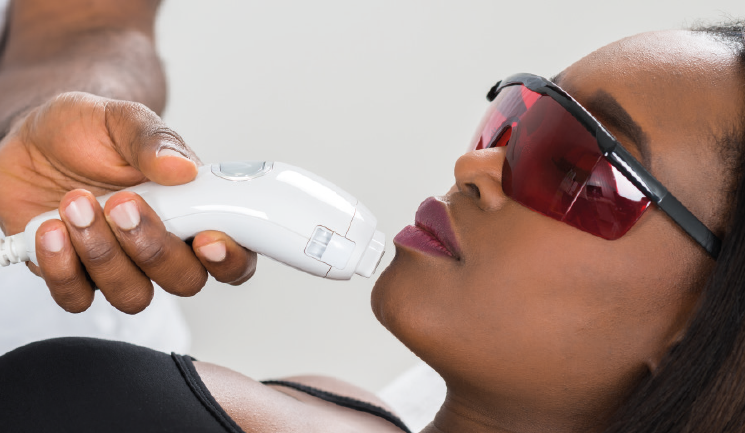
Aesthetic nurse Kate Monteith-Ross discusses the role of exosomes and energy-based devices for treating hyperpigmentation
Hyperpigmentation and hypopigmentation are significant dermatological concerns that can arise as complications following various therapeutic interventions, including the use of energy-based device treatments. These dyschromias not only affect cosmetic outcomes but may also impact patient satisfaction and quality of life, making effective management and prevention critical aspects of post-treatment care.¹
In recent years, the application of exosomes in dermatology has gained traction as an innovative and promising approach to enhancing skin recovery and mitigating pigmentation irregularities. Recent research underscores the potential of exosomes as an innovative tool in dermatology for skin recovery and the regulation of pigmentation. Exosomes, extracellular vesicles released by various cell types, are rich in bioactive molecules like proteins, lipids and genetic material, enabling them…