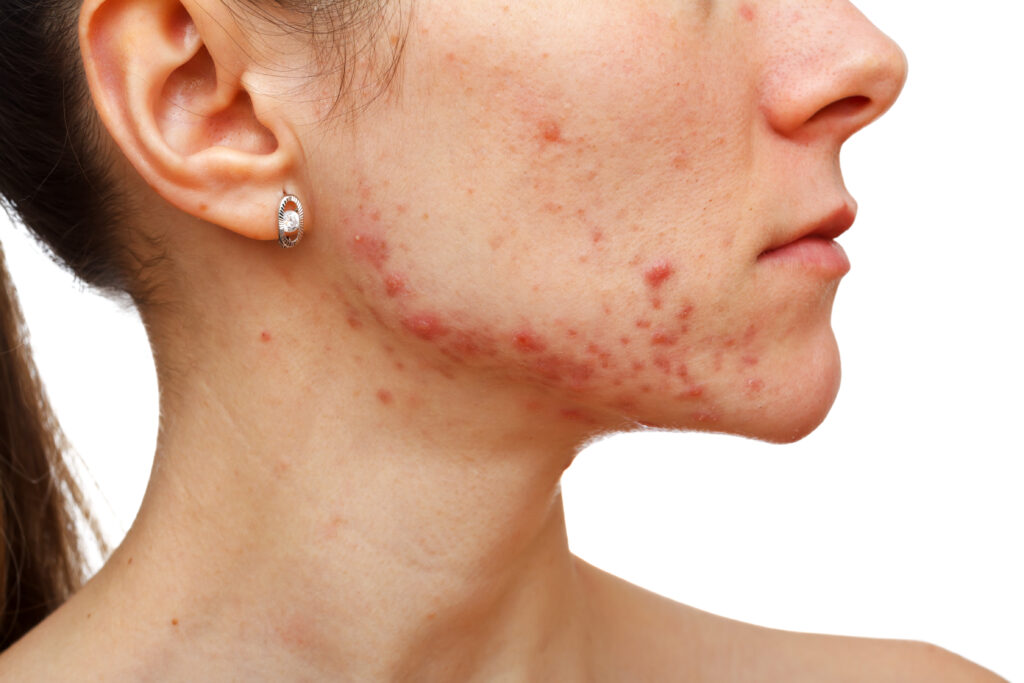
Dr Lisa Dinley discusses the clinical rationale, mechanisms of action and practical application of microtoxin therapy in the management of acne
Acne vulgaris (AV) is a multifactorial, chronic inflammatory condition of the pilosebaceous unit, driven by sebaceous hyperactivity, follicular hyperkeratinisation, Cutibacterium acnes (C. acnes) colonisation and inflammation.1 It is thought to affect 9.4% of people globally, ranking it as the eighth most common skin disease.1 Acne sufferers have a profoundly reduced quality of life, with a significantly increased likelihood of developing psychiatric conditions including depression and anxiety, as well as an increased risk of self-injury and suicide.2
These consequences highlight the need for effective therapies that address the underlying pathogenetic mechanisms of AV. Current treatment options include topical retinoids, oral antibiotics, hormonal therapy and isotretinoin, alongside a range of adjunctive modalities such as laser and light-based therapies, novel topical retinoid and…