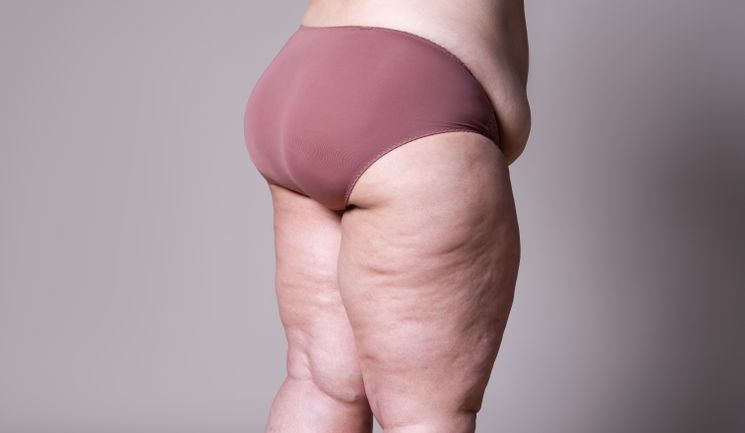
Four practitioners share their strategies for managing and improving the appearance of cellulite
Cellulite is a common, benign condition that presents as uneven, dimpled skin,most frequently affecting the thighs, buttocks, hips and lower abdomen.1 Its appearance can vary in severity, ranging from subtle dimpling visible only when the skin is pinched, to more pronounced undulations at rest. Although not medically harmful, cellulite can have a considerable psychosocial impact, often contributing to reduced self-esteem and body confidence.1
Although cellulite is very common, affecting an estimated 80-90% of women, it can be associated with profound negative psychosocial and quality of life issues.2 The underlying pathophysiology of cellulite is complex and multifactorial, involving changes to the dermal and subcutaneous architecture, fibrous septae, local circulation, hormonal factors and skin laxity.2
Aesthetics speaks to four practitioners about their clinical experience in managing cellulite. They discuss assessment strategies, treatment selection and key considerations for optimising results in…