Latest CPD accredited articles:

Each month, the Aesthetics Journal publishes one CPD-approved article, allowing the reader to earn one CPD point towards their medical revalidation.

Our CPD articles feature a range of topics including anatomy, techniques, aesthetic treatments, wellness and more. Once the article has been read and the five multiple questions answered, readers can email [email protected] to receive their CPD certificate.

CPD: Managing Cellulite in Clinical Practice

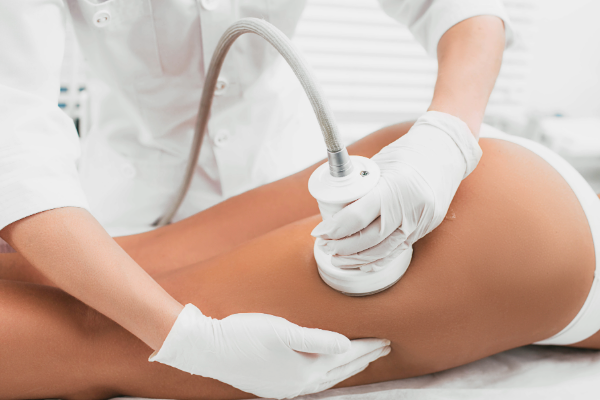
Nurse practitioner Anna Baker examines the underlying mechanisms of cellulite and explores evidence-based approaches to its management and treatment Cellulite is currently understood to be a pathological alteration of the hypodermis and extracellular matrix (ECM).¹ Cellulite affects specific areas, predominantly occurring in women and considered to be an aesthetic condition


Read More »

CPD: Understanding Peptides

Dr Mayoni Gooneratne examines systemic peptide use in longevity and wellness practice Peptide-based drugs have moved rapidly from niche therapeutics to a major growth area across endocrine, metabolic, oncologic and rare disease medicine.¹⁻⁴ At the same time, a parallel market has emerged in the wellness and longevity space, where intramuscular,

Read More »

CPD: Managing Dermal Filler Complications

Miss Jenny Doyle and Dr Arshi Baig explore the prevention and management of dermal filler complications, with a focus on vascular occlusion and contemporary evidence-based practice Dermal filler treatments have become one of the most frequently performed non-surgical aesthetic procedures worldwide, with hyaluronic acid (HA) fillers accounting for the majority

Read More »

CPD: Exploring Calcium Hydroxylapatite in Regenerative Aesthetics

Dr Ben Taylor-Davies reviews the evolution, mechanisms and practical use of CaHA-based injectables in contemporary regenerative aesthetics Regenerative aesthetics has emerged as one of the defining trends within contemporary medical aesthetics. It reflects a broader shift away from simply replacing lost volume toward improving tissue quality, structural support and long-term

Read More »

CPD: Facial Erythema in Aesthetic Practice

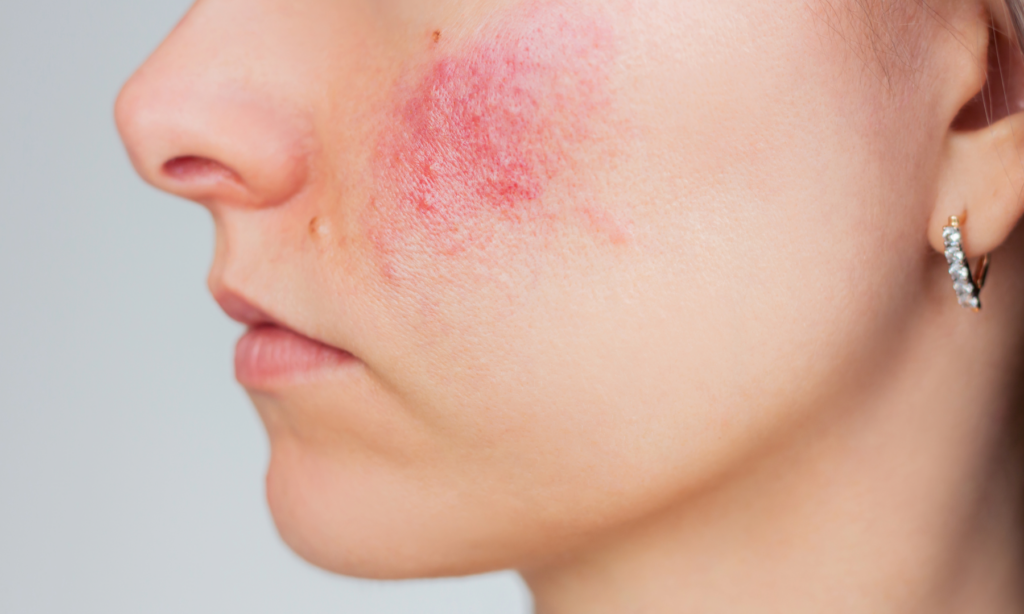
Dr Rehanna Beckhurst explores the dermatological and systemic causes of facial erythema Facial erythema is a common concern within aesthetic practice (with rosacea alone affecting an estimated 5.46% of the global adult population), an umbrella term for a spectrum of transient and chronic dermatological conditions.¹ While often perceived as a

Read More »

CPD: Methods of Collagen Stimulation Available in Aesthetics

Miss Jenny Doyle, Dr Arshi Baig and Dr Aaminah Haq explore advanced strategies to stimulate collagen through treatments in medical aesthetics Collagen is the most abundant structural protein in the human body and a primary component of the dermal extracellular matrix (ECM).¹ In the skin, type I collagen makes up

Read More »

CPD: Botulinum Toxin Complication Management

Dr Carol Mastropierro discusses botulinum toxin complications and strategies for managing common side effects Botulinum toxin (BoNT-A) injections are the most widely performed non-surgical aesthetic procedure in the UK, with an estimated 900,000 treatments carried out annually.¹ Their popularity is founded on high patient satisfaction, minimal downtime and a well-established

Read More »

CPD: Treating Muscle Loss with Devices

Skeletal muscle is a dynamic, metabolically active organ essential for maintaining health throughout the lifespan. Beyond providing strength and locomotion, muscle regulates glucose metabolism, supports immune signalling and contributes to endocrine communication through the secretion of myokines.1 A decline in muscle mass and function, known as sarcopenia, represents one of

Read More »

CPD: Exploring Regional Nerve Blocks in Head and Neck Aesthetics

Dr Ed Robinson discusses opportunities, limitations and the emerging role of ultrasound guidance in regional nerve blocks Demand for injectable and energy-based facial aesthetics continues to rise, alongside patient expectations for comfort, efficiency and safety. Effective analgesia is therefore central to contemporary aesthetic practice. While topical anaesthesia and simple local

Read More »