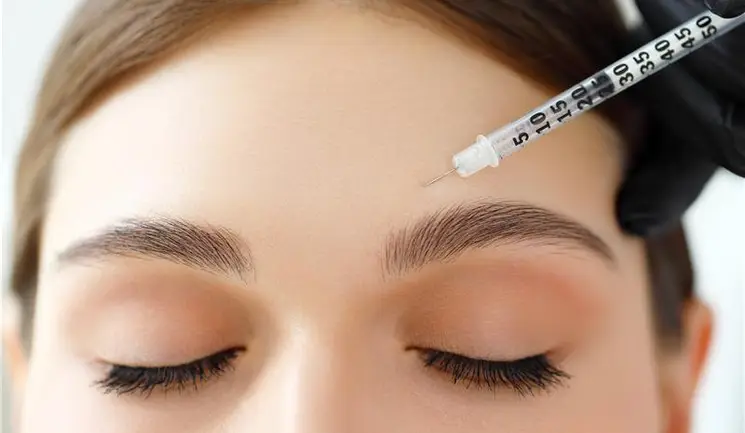
Botulinum toxin (BoNT) is a powerful muscular paralytic agent through the inhibition of the release of acetylcholine vesicle at the pre-synaptic level.1 It is this very characteristic that allows this powerful toxin to be used in a vast array of medical conditions where an abnormal muscle activity of hyperactivity exists.2 This is the case for cervical dystonia, severe forms of lower limb spasticity and ophthalmic pathologies such as blepharospasm and strabismus.3 In aesthetic medicine, it is a cornerstone therapy for treating lines and wrinkles. In mixed pathologies such as temporal mandibular joint disorder (TMJD), bruxism and hyperhidrosis, botulinum toxin A (BoNT-A) has also demonstrated a significant efficacy.4 This article is aimed at highlighting the place of BoNT-A in the global armamentarium for migraine, as well as examining the new pathophysiological aspect, particularly with…