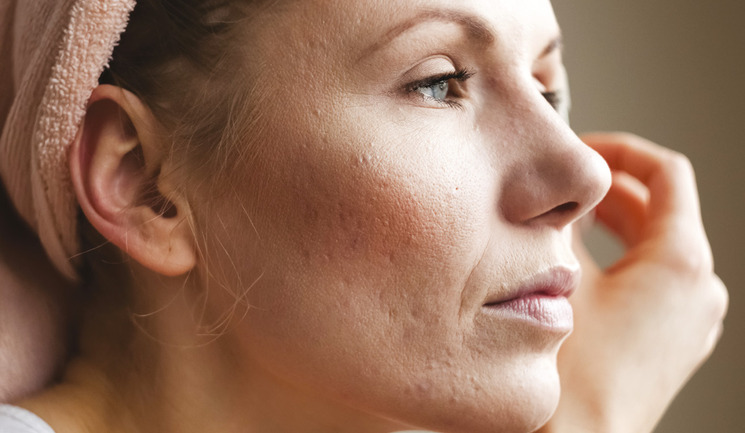
Acne vulgaris is a common skin condition affecting 650 million people worldwide with a 95% prevalence of acne in adolescence.1 It is reported that 12-14% of cases will continue into adulthood with psychosocial effects2 and 20-35% will develop moderate to severe acne that has an increased risk to cause textural skin changes to the superficial and deep dermis.1,3
These dermal changes result in permanent scarring of the skin, leading to substantial physical and psychological distress, particularly in adolescents.4 It is crucial that acne treatments are sought early on, and that acne scarring is not overlooked, in order to reduce the incidence of psychological distress. For this reason, treatments should be effective and delivered in a timely manner.
There are a variety of treatment options available for acne scarring, which can include topical preparations, dermabrasion, laser resurfacing, non-ablative and fractional laser, punch excision…