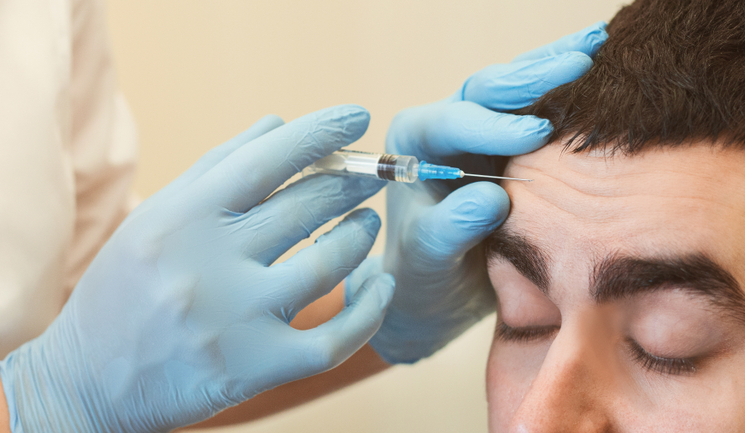
Men are the fastest growing segment of patients in aesthetic practices. In the US, they represent approximately 10% of consumers of injectable cosmetic treatments and this number has grown 355% in the last two decades.1 It is estimated that there were approximately half a million male patients treated with botulinum toxin (BoNT-A) in the US in 2015,2 and between 2010 and 2014 the use of BoNT-A in male patients increased by more than 80%.3
Typically, men tend to seek mostly minimally-invasive procedures and those with minimum or no downtime, such as BoNT-A, dermal fillers and intense pulsed light treatments, as opposed to surgical procedures that require downtime and may result in some scarring.3,4 I find that recent increased social acceptability and greater perception of safety and efficacy of BoNT-A procedures encourages male patients to pursue and request those treatments.2,4
It is important for practitioners to recognise physiological and anatomical differences between male and female faces (known as sexual dimorphism) to avoid over-feminising a male face. As there are…