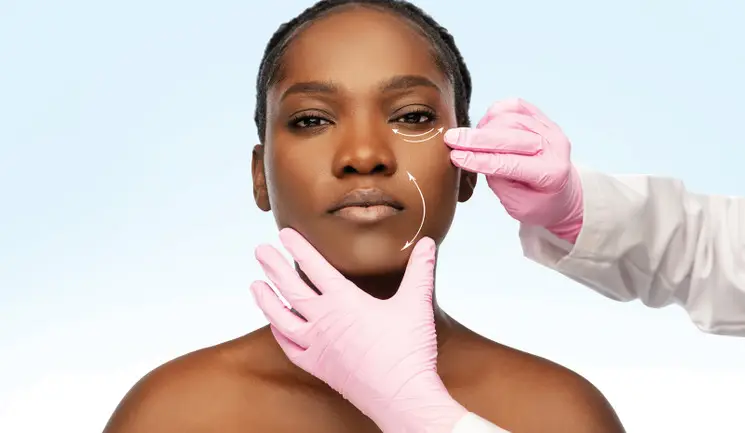
There is nothing more ‘real’ than working on live patients. Phantom heads are great for theory and a little bit of practical, but they are not the same as human tissue. The way needles go into a phantom head is very different from a living, breathing person. Experiences such as the depth of needle, whether touch is too firm or too light, or the way injection feels can be near impossible to gauge with phantom heads.
Live models are ideal – they allow delegates to experience not only the tissue that is to be injected but also the range of human responses they are likely to experience during their aesthetic treatments. But are delegates getting appropriate training with live models on UK courses? And are models having a suitable treatment experience?
It’s a common occurrence in beginner injectable training courses that one model is shared between several delegates, who may each treat half of a patient’s face.