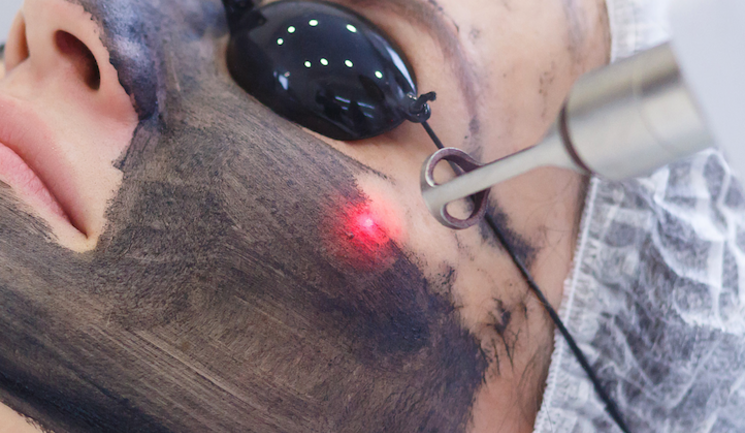
Lasers are fast becoming the vogue of dermatology; ranging from ablative, non-ablative, fractional photothermolysis to vascular. Then there are a number of vascular lasers available, including potassium titanyl phosphate (KTP 532 nm), pulsed-dye laser (PDL 95 nm), diode (810 nm) and Nd:YAG (1064 nm). Pulse-dye lasers (PDL) emit light from a rhodamine dye solution and were initially introduced in the 1980s for vascular malformations. Now PDL lasers represent the gold standard vascular laser, with a wealth of evidence to support their use.1
The 595 nm wavelength of PDL lasers targets oxyhaemoglobin found in blood vessels. The main modes of actions are photothermal, including coagulation of the blood and endothelial damage, in conjunction with photochemical effects. Typical vascular lesions which are treated by PDL include port wine stain, haemangioma, telangiectasia, spider angioma and…