


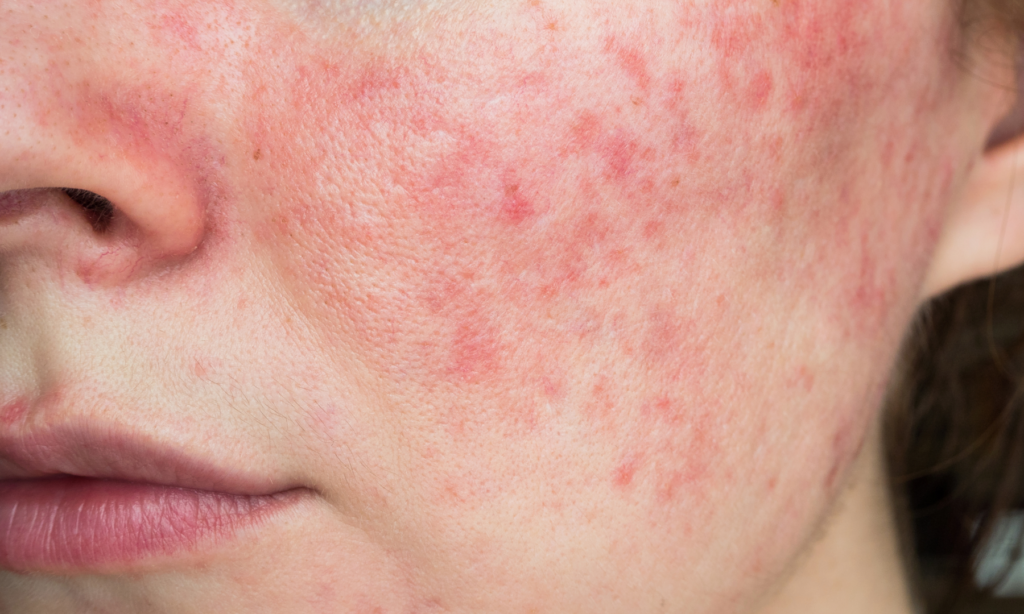
New research from the George Washington (GW) University School of Medicine and Health Sciences suggests sensitive skin syndrome (SSS) is biologically distinct from rosacea.
Published in the Journal of the American Academy of Dermatology, the pilot study found that hallmark rosacea drivers, including Demodex mite overgrowth and heightened innate immune activity, were not present in patients with SSS. Researchers analysed 30 women aged 30-50, and key findings outline that Demodex mites were present at the same rate in both sensitive skin and non-sensitive skin participants.
The study observed that two antimicrobial peptides commonly elevated in rosacea – cathelicidin and dermcidin – were significantly reduced in participants with sensitive skin syndrome. According to the university, the findings suggest that the inflammatory pathways central to rosacea may not drive sensitive skin syndrome.
Adam Friedman, professor and chair of dermatology at GW and senior author of the study, commented, “These findings further support our ongoing work that SSS is a unique skin condition, not simply a milder form of rosacea, a condition well known for imparting skin sensitivity. This distinction matters because it can help clinicians avoid treatments that may not benefit sensitive skin patients and instead focus on over the counter and prescription therapies better aligned with the biology of the condition.”