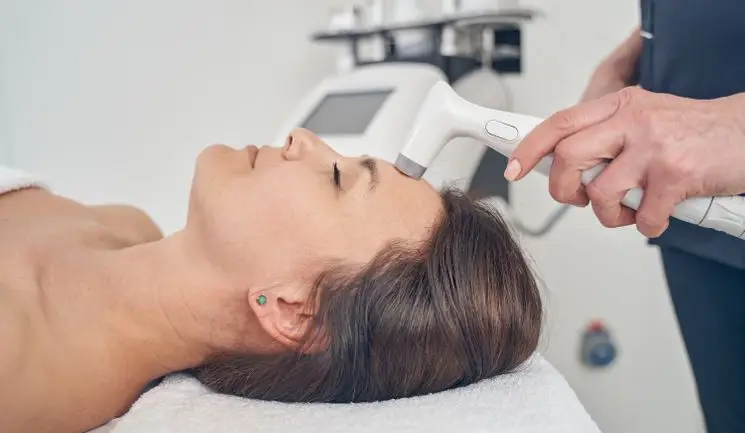
Photobiomodulation (PBM) was discovered by accident in the 1960s.1 A Hungarian scientist, studying the effect of ruby lasers on tumours in mice, found that his lasers were producing very unusual results: the mice’s wounds were healing more quickly and new hair was growing on their shaved skin. From there, a novel field of investigation was born – and it has recently been gaining increasing momentum in multiple medical modalities.
The underlying principle of photobiomodulation is that light has the ability to activate photoreceptors and chromophores naturally contained within the skin, with potential therapeutic effects. The vocabulary surrounding this process has been confused in the past, with various terminologies used interchangeably or inaccurately.2 It is therefore important to clarify the definition of PBM as a form of low-level light therapy utilising non-ionising, non-thermal…