


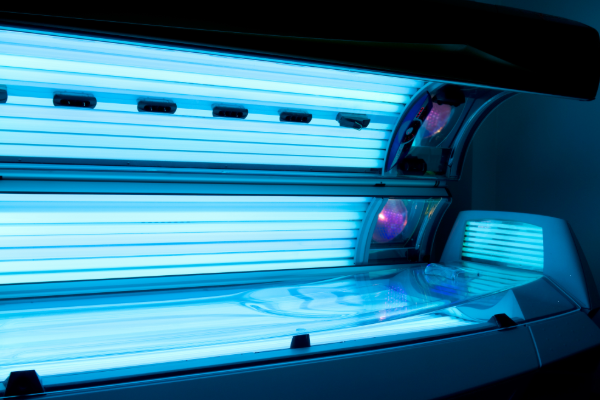
The Committee of Advertising Practice (CAP) has published an Enforcement Notice towards advertisements for sunbed use following health and medical claims.
The CAP shares that several advertisers have made misleading health claims about sunbeds, including that they can ease eczema symptoms, improve brain function, fight inflammation and boost blood circulation.
The regulator explains that the advertising rules state that advertisers must not claim or imply that sunbeds provide health, or medical benefits beyond producing a cosmetic tan. This Enforcement Notice tells the advertisers within the specialty that they have until December 7, 2026, to review and amend their advertising before they begin to action unfollowed rules, according to the CAP.
The Sunbed Association (TSA) notes it initially challenged CAP over the inclusion of restrictions on a number of claims made in advertising for sunbeds and tanning salons. The association said, while TSA supports action against misleading advertising and unsubstantiated medical claims, it argued the Notice failed to make important distinctions between prohibited claims and legitimate descriptions of professional tanning practices. CAP acknowledged TSA’s concerns and removed the challenged restrictions from its Enforcement Notice.
James Burnett, senior compliance executive at the CAP, said, “Sunbeds carry serious health risks, including an increased risk of skin cancer. Ads shouldn’t downplay those risks or present sunbed use as a way to improve health. This Enforcement Notice makes clear that advertisers mustn’t link sunbed use to health benefits or suggest that sunbeds are safe. Advertisers must review their claims and make any necessary changes now. We’ll be using our AI-based monitoring system to identify ads that continue to break the rules and will act where needed.”
Gary Lipman, chairman of TSA, said, “We fully support action against misleading advertising. But there is a world of difference between claiming something is risk free and explaining that a business operates responsibly. Professional salons invest in staff training, customer screening and compliance with recognised standards and legislation. It makes no sense to prevent them from communicating those commitments to customers. We welcome the constructive engagement and common-sense approach applied by CAP when we brought our concerns to their attention.”