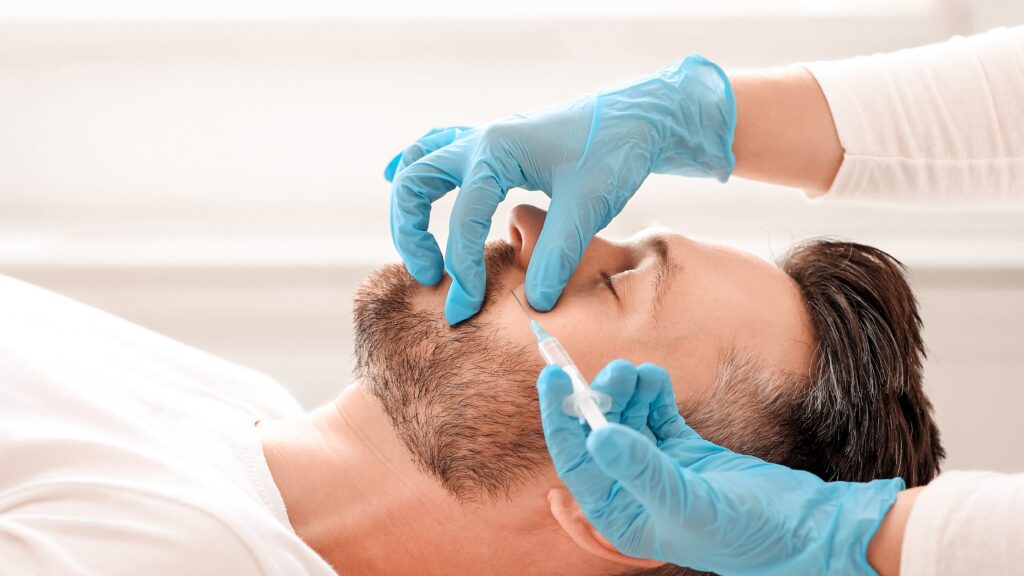
Dr Arsalan Baig and Dr Ducu Botoaca present how hormones affect in-clinic treatments
The male aesthetics market has expanded significantly over the last decade, with increasing numbers of men seeking treatment to maintain a youthful appearance, improve confidence and optimise physical wellbeing. In the UK, male engagement with medical aesthetics is increasing, with the British College of Aesthetic Medicine reporting that 16% of patients treated by respondents to its 2024 Annual Clinical Review identified as male.¹
Testosterone and its metabolites affect skin quality, fat distribution, muscle mass, libido and hair growth, which is why hormonal context is directly relevant at consultation.²˒³ Visible ageing should not automatically be read as endocrine dysfunction, but clinicians who understand male hormone physiology are better placed to set realistic expectations, judge when medical assessment is needed and plan more individualised treatment.
Testosterone remains the principal androgen hormone in men and is produced primarily by Leydig cells within the testes under regulation of the hypothalamic pituitary gonadal axis.² Testosterone…