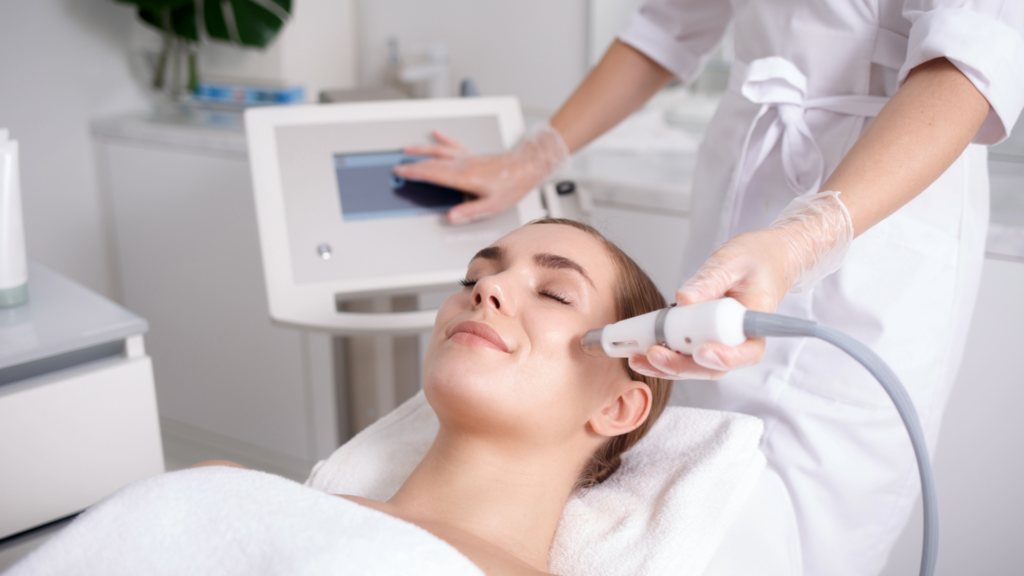
Aesthetic clinic founder Vanessa Brown-Ofoedu discusses the implications of counterfeit devices and how to avoid purchasing one
The UK aesthetics sector is entering a critical phase of regulatory transition; however, this sector growth has significantly outpaced regulation. As a result, a fragmented landscape has emerged, creating not only clinical challenges but also commercial imbalance. Currently, aesthetic devices fall under broader UK medical device legislation, requiring compliance with UKCA or CE marking and registration with the Medicines and Healthcare products Regulatory Agency (MHRA). However, this framework is largely focused on manufacturers and market entry, rather than how devices are distributed, marketed or resold within the aesthetics sector.¹ As a result, gaps remain at the clinic procurement level, particularly where devices are sourced through informal or unauthorised channels.
From a device perspective, inconsistencies within regulation also creates an environment where counterfeit and non-compliant technologies can easily enter the market. Where oversight is focused…