Dr Sonakshi Khorana discusses the role of topical therapies and medical-grade skincare in the effective management of rosacea
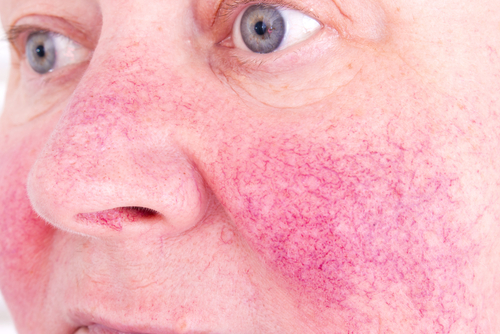
Rosacea is a chronic, non-contagious, inflammatory skin condition that manifests in various clinical subtypes and severities.1,2 Rosacea affects about 5% of the global population, including one in 20 UK patients.3,4 It causes facial flushing, erythema, papules, pustules and sometimes ocular symptoms.5-9 More common in women and fair skin types, it requires an individualised, multifaceted approach due to varied triggers, severity and presentations.10-17
Causes of rosacea
The pathophysiology of rosacea is complex and not fully understood.5,7 Proposed mechanisms include ultraviolet radiation-induced dermal damage triggering inflammation, and increased neural sensitivity leading to neurogenic inflammation, which may explain burning or stinging sensations.5,7,18 Elevated levels of the antimicrobial peptide cathelicidin also suggest a role for innate immune dysregulation.5,7
Microbial dysbiosis, both cutaneous and gastrointestinal, appears to contribute.19 On the skin, patients often show increased Demodex mite density, particularly D. folliculorum and D. brevis, which…