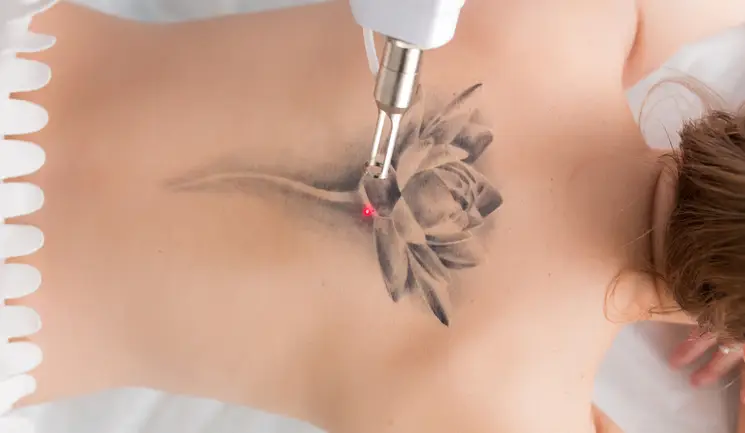
With the tattoo industry booming and sales worldwide reaching nearly $2 billion a year and climbing,1 it is obvious that the market for the ever-increasing removal of such artwork is in high demand. Survey findings presented at the British Association of Dermatologists showed that around one-third of people regret their tattoos and a total of around 10% eventually do opt for tattoo removal.2
Given this, and the ever-evolving desire for speedy and painless results, the market for tattoo removal has come far from its true inception in the 1960s when laser usage became the norm. Prior to laser use, many different methods, including chemical peels, abrasion techniques with ablative treatments, excisions, microneedling and various other remedies were used, often with poor results, and high complication rates.3 Due to these complications, the gold standard for tattoo removal has been…