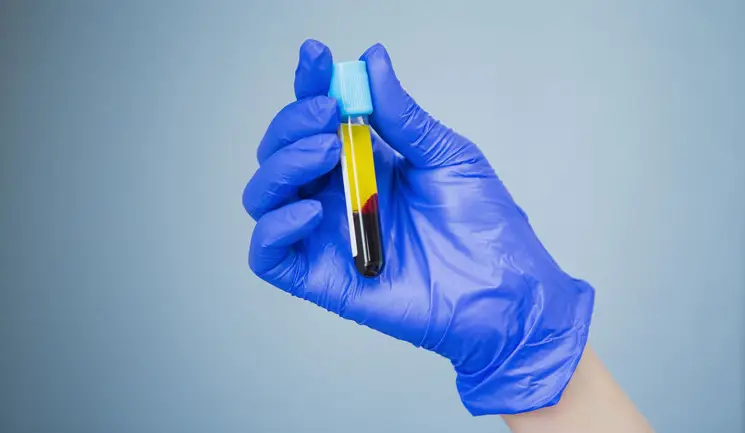
Platelet-rich plasma (PRP) is an emerging skin rejuvenation treatment. Being readily available, cost-effective for both patient and practitioner, and having minimal downtime and side effects, PRP presents an attractive treatment option suitable for all skin types. Media-induced popularity of the ‘vampire facelift’ and PRP for self-healing, as well as clinic advertising campaigns claiming high patient satisfaction, are merely anecdotal in contributing to PRP hype and public misunderstanding of PRP efficacy.1,2
PRP is a non-ablative treatment preserving epidermal integrity upon administration but it has the capability to elicit epidermal and dermal changes for skin rejuvenation, increasing dermal papillae and releasing growth factors (GF). It stimulates natural collagen with regenerative healing.3
Healthy skin architecture results from a fine balance in the dynamic equilibrium between extracellular matrix (ECM) deposition and matrix metalloproteinases (MMP) degradation.4 Most antiageing…