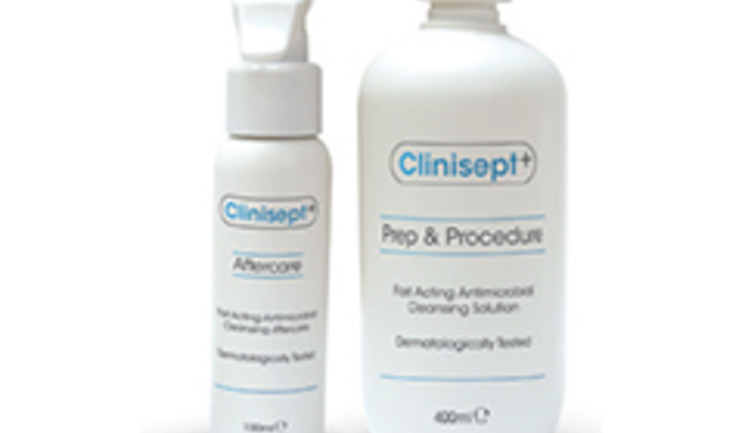
As an aesthetic practitioner, limiting the risk of infection in patients should be a fundamental focus of delivering treatment. Employing an aseptic technique with the use of an effective topical sterilising agent is one way to support this.1,2
Common skin disinfectants used in aesthetics include aqueous chlorhexidine and 70% isopropyl alcohol solutions,1-3 however, according to surgeon and cosmetic doctor, Miss Sherina Balaratnam, there are potential side effects to these.4,5
Miss Balaratnam explains, “Whilst I know that I am getting great skin disinfection when using something like isopropyl ethanol, what you can expect as a side effect is irritated skin, especially with inflamed or sensitive skin.” She adds, “When it comes to skin disinfection, practitioners are trying to find the best product that will efficiently disinfect and cleanse the skin before any procedure, while, at the same…