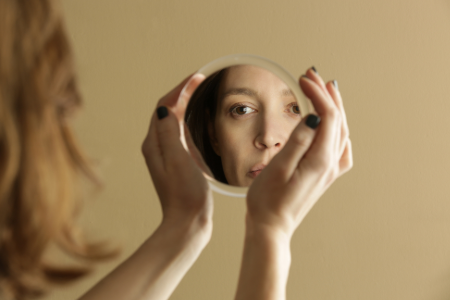
Dr Arti Singh debates how visual tools shape psychological states in aesthetic consultations
Visual assessment tools such as mirrors and clinical photography are integral to aesthetic consultations. They are used to enhance objectivity, create shared understanding and support informed consent.¹ However, research suggests that visual tools are not psychologically neutral. Mirrors and photographs activate distinct psychological states that influence self-perception, emotional response and aesthetic decision making.¹
As patients become more conditioned by selfies, filters and image-based social comparison, understanding how visual tools shape perception is increasingly important as they may affect patient satisfaction and mental state.²
Visual tools and negative effects
Mirrors provide a dynamic and familiar representation of the self. Most individuals see their face primarily through mirror exposure rather than photographs, leading to strong familiarity with their mirror-reversed…