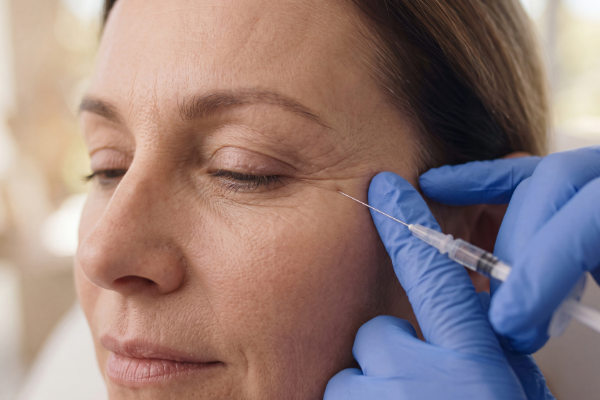
Dr Oscar Redman outlines a protocol of PLLA and HA fillers to treat menopausal patients
Menopause is associated with a profound and measurable decline in skin quality, driven primarily by falling oestrogen levels and the subsequent loss of collagen, dermal volume and hydration.¹ Within this evolving landscape, there has been a notable and sustained increase in demand for regenerative and collagen-stimulating treatments.² Modalities such as polynucleotides (PDRN/PNs), radiofrequency microneedling and biostimulators, including poly-L-lactic acid (PLLA) and calcium hydroxylapatite (CaHA), have gained considerable traction, precisely because they target the root cause of menopausal skin deterioration: the loss of collagen, dermal density and tissue vitality.² Alongside these, hyaluronic acid (HA) dermal fillers continue to play an integral role in addressing the volumetric deficit and structural changes that oestrogen withdrawal precipitates, particularly in the mid-face and…