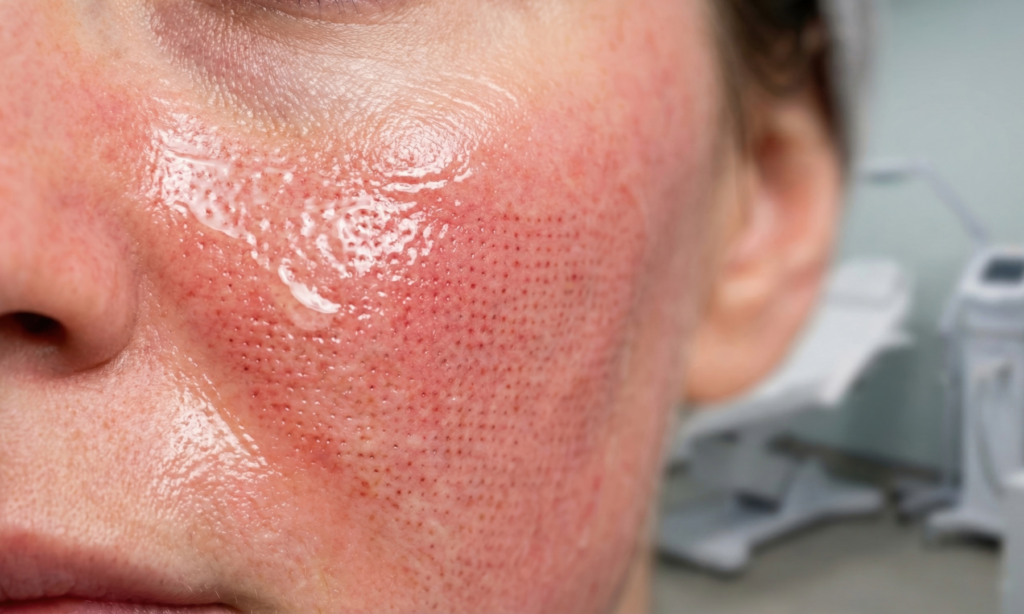
Dr Helen Whyte and Dr Ambreen Ayaz discuss treating facial burns and consider the use of hypochlorous acid
Burn injuries, especially on the face, present complex challenges for both acute management and long-term aesthetic care. The delicate facial skin, its high vascularity and constant exposure to environmental factors make it particularly susceptible to scarring and pigmentary changes after injury.¹ The psychological impact of facial burns must not be underestimated, especially when the affected area is constantly visible to both the patient and those around them. As with any skin condition, when injury alters the appearance of the face, it can profoundly influence a person’s sense of wellbeing, self-confidence and emotional recovery. With advances in both wound care and medical aesthetics, practitioners are increasingly called upon to support not only the physical healing but also the restoration of skin appearance and texture. This article draws on clinical expertise and a recent case…