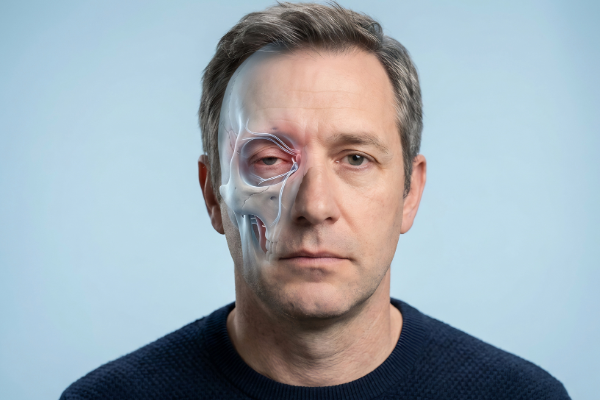
Dr Steven Land outlines how facial bone resorption affects the ageing process
When we think of ageing, our minds naturally go to the visible and more familiar signs. Fine lines forming around the eyes, sagging skin on the jawline or that sense of hollowness in the mid-face that patients often describe as ‘tired’ or ‘drawn.’ The aesthetic field has long focused on what can be seen on the surface, including skin texture, pigmentation, wrinkles and the redistribution of fat. Yet one of the most profound, and frequently under-discussed, contributors to facial ageing lies much deeper, within the skeletal foundation itself.
Facial bone resorption is a silent, subtle process, which means it rarely features in the first conversations patients have with their practitioners. By the time patients begin noticing substantial changes in their facial appearance, usually around their 40s or 50s, the bones of the face have already been undergoing slow but steady remodelling for…