Latest CPD accredited articles :

Each month, the Aesthetics Journal publishes one CPD-approved article, allowing the reader to earn one CPD point towards their medical revalidation.

Our CPD articles feature a range of topics including anatomy, techniques, aesthetic treatments, wellness and more. Once the article has been read and the five multiple questions answered, readers can email [email protected] to receive their CPD certificate.

CPD: Evaluating Hyaluronidase Use in Aesthetics

Dr Ben Taylor-Davies discusses the use of hyaluronidase in medical aesthetics and the main considerations for practitioners Hyaluronidase is a prescription-only medicine widely used in aesthetic medical practice for a variety of indications.1 Hyaluronidase is utilised by clinicians in the …

Read More »

CPD: Multi-Modality Approaches for Managing GLP/GIP Side Effects

Aesthetic nurse prescriber Anna Baker discusses multi-modality approaches to addressing tissue changes with glucagon-like peptide-1 agonists and glucose-dependent insulinotropic polypeptide therapies Current literature suggests that medical aesthetic practitioners are noticing an increase in demand from patients seeking treatments to counteract …

Read More »

CPD: Microdosing Botulinum Toxin for Skin Rejuvenation

Miss Jenny Doyle, Miss Aaminah Haq and Dr Arshi Baig analyse current literature on rejuvenating the skin using botulinum toxin. The uptake of non-surgical methods, such as botulinum toxin type A (BoNT-A), dermal filler and laser to achieve facial rejuvenation, …

Read More »

CPD: Unveiling the Connection Between Menopause and Acne

Dr Hazel Parkinson discusses the effects of menopause on acne and procedural options for menopausal patients Acne is often perceived as a concern primarily of adolescence, but it is increasingly recognised as a condition that affects adult women, particularly during …

Read More »

CPD: Reviewing Antiseptic Skin Preparation in Aesthetics

Dr Alison Colville and Professor Valerie Edwards-Jones explore the role of antiseptic practices in medical aesthetics The skin and mucous membranes form the body’s protective barrier, and if this defence is breached by pathogens, they can reach subcutaneous tissue, muscle, …

Read More »

CPD: Analysing Cryolipolysis

Dr Emmaline Ashley explores the current understanding of cryolipolysis as a method of non-surgical fat reduction The growing demand for methods to remove or reshape localised fat deposits has led to the increasing popularity of body contouring procedures.1 While liposuction …

Read More »

CPD: Exploring Peptide Therapeutics

Dr Ethan Hausman-Marquis presents a comprehensive review of potential benefits and clinical applications of peptide therapy Peptides, defined as short chains of amino acids linked by peptide bonds, are essential signalling molecules integral to a vast array of physiological processes.1,2 …

Read More »

CPD: Ethnic Considerations for Botulinum Toxin

Dr Souphi Samizadeh reviews considerations for treating different ethnic groups with toxin. The global demand for facial aesthetic treatments, including botulinum toxin (BoNT-A) injections, continues to rise. This increase is evident across a broad spectrum of ethnic groups, each presenting …

Read More »

CPD: Assessing Patients Using Multidimensional Approaches

Dr Rehanna Beckhurst explores multidimensional assessment in medical aesthetics, bridging anatomy, ageing, psychology and culture The field of advanced facial aesthetics presents a blend of medical expertise, artistic sensibility and patient-centred care. This article illustrates the process of assessment, risk …

Read More »

CPD: Understanding Pain Relief Options in Aesthetic Procedures

Three practitioners review pain relief options in aesthetic procedures, ranging from simple topicals, to custom agents and nerve blockers Millions of people worldwide seek cosmetic treatments to enhance their appearance and boost their confidence. Concerns about pain or discomfort may …

Read More »

CPD: Optimising Facial Botulinum Toxin Results

Dr Nestor Demosthenous discusses the pharmacodynamics of botulinum toxin and the differences between the available preparations. In the 1980s, ophthalmologist Dr Jean Carruthers and dermatologist Dr Alastair Carruthers discovered that one of their patients treated with botulinum neurotoxin (BoNT) for …

Read More »

CPD: Steps to Reduce Risk of Vascular Occlusion

Mr James Olding, Dr Kimiya Erfanmanesh, Dr Golasa Sheikh Akbari and Dr Zeanab Chaer introduce steps to help prevent a vascular occlusion Dermal filler treatments continue to grow in demand in the medical field, with a well-established role of replenishing …

Read More »

CPD: Mitochondria as a Skin Health Biomarker

Professor Mark Birch-Machin and Dr Jessica Moor introduce mitochondrial damage as a way to track skin ageing Skin ageing, including the phenotypes of wrinkle formation, uneven skin tone and loss of elasticity, results from the progressive loss of cellular function. …

Read More »

CPD: Navigating the Unique Properties of HA Dermal Fillers

Dr Rehanna Beckhurst outlines the manufacturing process and physico-chemical properties of dermal filler products Hyaluronic acid (HA) injectable fillers are the most widely used dermal fillers to treat facial volume deficits.1 Appreciating the physico-chemical properties of dermal fillers is crucial …

Read More »

CPD: Under-eye Anatomy and Considerations for Cosmetic Intervention

Dr Jordan Faulkner and Miss Jennifer Doyle outline considerations for treating the under-eye area Complaints regarding the periocular area, and in particular the under-eye, are commonplace in both surgical and non-surgical aesthetics consultations. Patients may describe either the changes in …

Read More »

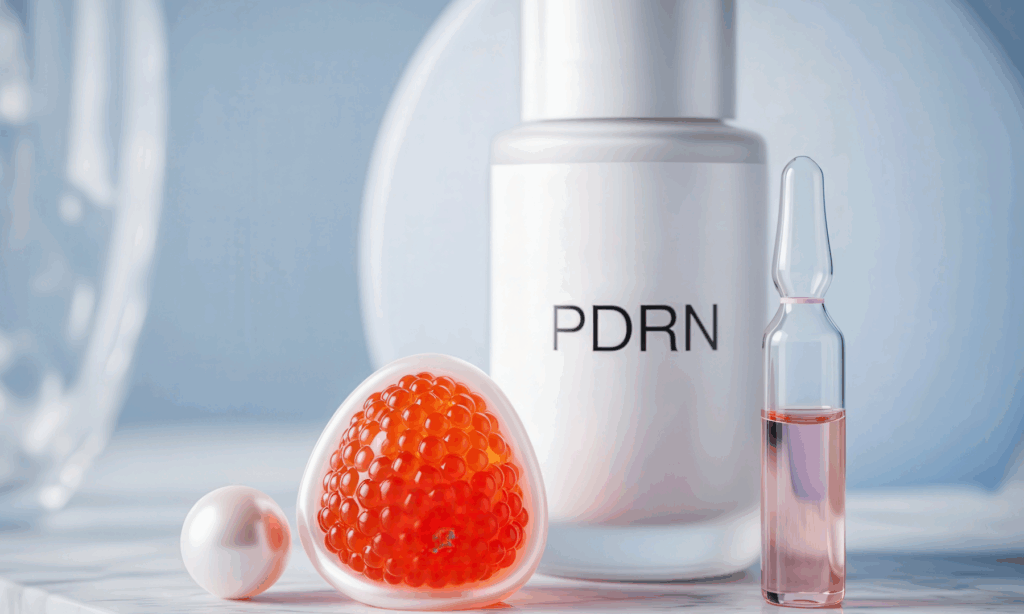
CPD: Utilising Polynucleotides for Hair Loss

Dr Edward Robinson explores the literature around how the emerging treatment of polynucleotides can assist patients suffering with hair loss In the landscape of medical aesthetics, emerging treatments are constantly reshaping the field. Among these, polynucleotides have garnered considerable attention, …

Read More »

CPD: Understanding the Science of Hydroxy Acids

Aesthetic nurse Lorna Bowes outlines the mechanisms of action, types and cosmetic applications of hydroxy acids Numerous studies have endorsed the incorporation of hydroxy acids, such as glycolic and mandelic acid, in formulations for antiageing skincare and cosmeceuticals.1-33 Despite the …

Read More »

Frontalis Anatomy: key considerations for aesthetic practice

ABSTRACT Understanding key anatomical concepts of the face is important in order to be able to treat a patient effectively in any aesthetic treatment. With a robust anatomical knowledge of the occipito-frontalis muscle, the clinician can appreciate how each patient’s anatomy may vary and how the clinician’s choice of injection placement with botulinum toxin A reflects this. Recent detailed anatomical studies of this area provide further clarification regarding static, dynamic and functional anatomy. Through critical analysis of this data, it is possible to tailor treatments on an individual basis.

Read More »

Non-surgical lower face lift

ABSTRACT Lower face lift has historically been the preserve of the surgical specialty. However, owing to the increasing anatomical knowledge of facial ageing through cadaveric study and non-surgical lifting techniques we are now able to achieve excellent outcomes with injectables. The ongoing advancements in filler science, technology and development of sophisticated injection techniques also contribute to the success of the injection facelift.

Read More »